Ready to help treat your pet to a healthy life?
How to Keep Your House from Smelling Like Your Pet
By : Brianna Gunter | Updated Jan 5, 2025
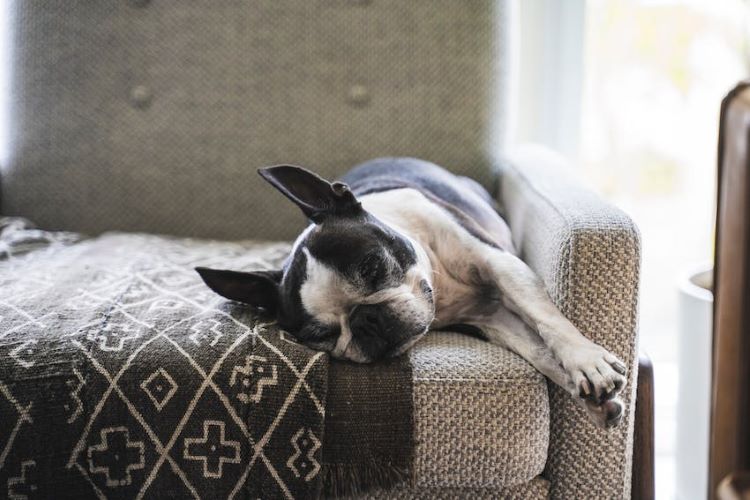
We love our dogs and cats, but we don’t love the pet odors that come with them! From musty litter boxes and bad breath to classic wet dog, our four-legged friends come with an abundance of smells we humans don’t care for. The last thing you want is to be that house where guests can tell you have a pet just by walking in the door and taking a breath.
Fortunately, there are several key things you can do to keep your home from smelling like your pet. Let’s go through them, shall we?
1. Set a pet bathing schedule
It should be a no-brainer that clean pets are better-smelling pets. But regular pet baths are a simple way of keeping your pal fresh (and subsequently, your home). The amount of bathing will depend on your pet's lifestyle and the activities they get into, among other factors. Veterinarians generally recommend bathing your dog every four to six weeks, although breeds with longer hair may need them more frequently.
While cats are self-cleaning, they too require baths on occasion. Starting baths while they are kittens will help them learn to tolerate bathing for life. If your kitty is older and has never been accustomed to being washed by your hands, try trimming their claws first. Talking to your veterinarian about ways to keep your pet calm will also help.
2. Keep pets clean in-between baths
Over-bathing pets can strip their skin of its natural oils and cause irritation. So instead of going to the tub every time your pal seems a little stinky, keep a washcloth or box of pet grooming wipes on hand. Using these will help freshen your furry friend up in between baths and will also be a less traumatic experience for them (let’s face it — few dogs or cats actually enjoy being washed).
Regular brushing will also help loosen and remove debris from your buddy’s fur, not to mention serve as nice bonding time for you both.
3. Clean pet bedding regularly
You change the sheets on your bed, so why ignore your your pet's own sleeping place? Dog and cat beds can pick up all the scents of your furry friend, both good and bad. But beyond the expected dirt and drool, your pal is also at risk of coating their bed in a variety of harmful bacteria, viruses, fungi, and even parasites.
The good news is that most pet beds are machine washable and can be cleaned once a week. Others have removable liners that can be washed, but the bedding interior will need to be replaced faster. To help keep your pet’s bed as fresh as possible, add it to your home vacuuming routine.
4. Clean out cat litter daily
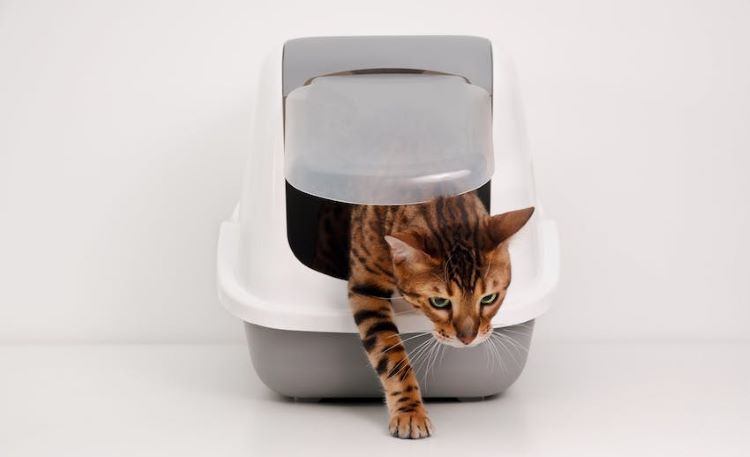
Some pet owners like to wait until the box is “full” to clean it out. But not only will this contribute to strong odors emanating around your home, it also can create a hazardous environment for both you and kitty. Litter boxes can contain bacteria, viruses, and even parasites, which can get stirred up into the air by your cat’s feet.
Scoop out both urine and feces daily, and completely change out the litter at least once a week (but the more often, the better!). To keep things as fresh as possible, clean the box with soap and water before putting in the new litter.
Replace litter boxes annually
Many cat owners don’t realize they should be replacing their feline’s litter boxes about once a year. But doing so is an important part of keeping both you and your cat healthy. Litter boxes — especially covered models — soak up odors and bacteria as time goes on, and simply washing them out won’t suffice. If you’ve changed out the litter, and there’s still a lingering unpleasant scent, it’s an indicator that the box itself is at the end of its lifespan.
Struggling with feline smells outside of the litter box? Learn how to get rid of cat urine odor.
5. Feed your pet a healthy diet
You are what you eat, and the same goes for pets. Poor nutrition can lead to a higher prevalence of upset stomachs, diarrhea, and other manifestations of indigestion—all conditions that are linked to being on the smelly side.
Talk with your veterinarian about well-balanced, healthy diet options for your particular pet. If you’re noticing frequent signs of pet indigestion, make an appointment to have your pal checked for underlying illnesses.
6. Don’t wait to tackle messes
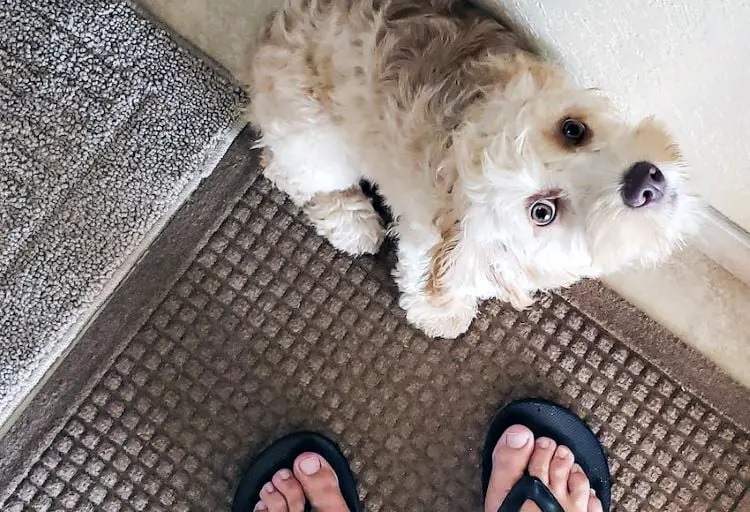
Accidents happen, even among healthy, well-trained pets. But instead of wasting time getting mad at your pal or telling yourself you’ll clean it later, the best way to prevent lingering odors is to clean it up right away. Invest in some good pet-safe cleaning products, and be prepared to go over mess spots multiple times until there’s no trace left. *Pro tip: if your pet is nosing or pawing at a previous accident spot, go ahead and clean it again — even if you don’t see any stain left or notice any odor yourself.
7. Use pet-safe air fresheners
Air fresheners can instantly improve the scent of any home — just make sure that whatever air freshener you use is safe for both your nose and your pet’s. Opt for naturally derived ingredients but be aware that certain essential oils are toxic to pets. It's also important to note that many perfumes can also be toxic to animals, so avoid using your favorite personal scents to cover up those of your pet.
On that note, it’s always important to read the labels on any cleaning products you’re considering using at home. If you’re not sure about anything, give your veterinarian a call.
Want more advice on living a happy and healthy life with your pet? Our newsletter delivers it straight to your inbox!
Pet Parenting is the official dog and cat blog of Trupanion, a leader in the world of pet insurance. Here you’ll find useful dog and cat care tips, important veterinary insights, and an abundance of pet lifestyle topics. All of our articles are written by real humans with a love for pets, not AI. However, please note that the views expressed here are those of the individual authors and do not necessarily reflect those of Trupanion. Articles are reviewed by veterinarians for accuracy, but they are not a substitute for professional diagnosis and treatment. Always consult with your own pet’s veterinarian for advice.


