Ready to help treat your pet to a healthy life?
What is Hydrotherapy for Pets?
By : Trupanion Staff | Updated Sep 14, 2023
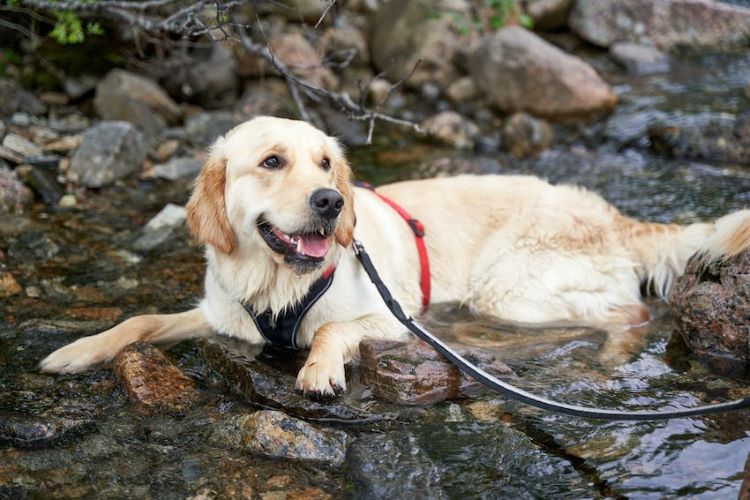
It's common knowledge that many of our canine friends love the water, but did you know it could actually be beneficial to their health? And while cats may seem a little less willing to dive in at the deep end, a properly guided pool session in warm water can be rehabilitative and soothing both physically and mentally.
As with humans, hydrotherapy for pets is a low-strain, low-impact activity that can help heal injured joints and tissues, and even if your pet doesn’t naturally take to water, this therapeutic form of exercise can also be a lot of fun.
Why hydrotherapy for pets?
Hydrotherapy is technically any method that uses water as a primary tool for relieving physical and/or mental symptoms negatively affecting the body. Records show that humans have been using water for physical and mental relief since at least the time of the Egyptians, ancient Greeks, and Romans. Nevertheless, it wasn't until the 18th century that hydrotherapy was formalized as a therapeutic and medical practice. It remains a recognized and widely recommended practice today. The secret of the treatment’s benefit lies in the qualities of water itself, allowing free movement of joints and muscles in a low-gravity environment that minimizes impact and pressure.
More recently, the practice has been adapted to help animals and has grown in popularity. Pet owners across North America now take their dogs (and sometimes cats!) to specially tailored classes that seek to help them to recover from injury, from surgical procedures, or to improve general health and wellbeing. Hydrotherapy for pets can also be used as a substitute form of exercise for animals who are unable to walk and run due to injury or old age.
Key benefits of animal hydrotherapy
Some of the main advantages of hydrotherapy for pets include:
- Improved muscle strength and maintenance
- Increased blood circulation, to speed tissue healing
- Relief of swelling and stiffness from injury
- General cardiovascular fitness and stamina improvement
- Pain reduction
- Slowing of degenerative disease symptoms
Rehabilitation in animals
Physical rehabilitation in animals may seem like a relatively new concept. However, it started becoming prevalent back came in the 1960s, thanks to the growth in popularity of equine sports. By the 1980s it was common practice throughout Europe, and interest grew in the US by the 1990s.
Among a range of practices offered under the umbrella term of physical rehabilitation, hydrotherapy for pets is one of the most popular, and one of the most widely recognized as beneficial to pets. With many facilities now offering specially-designed therapeutic pools and even aquatic treadmills, the treatment is becoming more accessible and affordable for pet owners. For example, some of the best pet insurance plans will cover feline and canine hydrotherapy, providing it is recommended by a licensed veterinarian and provided by or under the supervision of a qualified professional.
The weightless workout
The primary benefit of aquatic exercise — for both animals and humans — is pain relief. Water creates a low-weight environment where stress on joints, bones and muscle tissues is minimized. Similar to the way you can float in the swimming pool, hydrotherapy for pets makes use of water’s buoyancy to allow all the cardiovascular and restorative benefit of physical exercise without the strain and impact suffered on dry land.
As well as buoyancy, the viscosity and resistance of water can help your pet to build strength and stamina. It is harder to move through water than through air, and treadmill tanks are used by some hydrotherapy facilities to take advantage of this aspect of water exercise. Aside from the aerobic benefits, water can also improve skin and fur health, improve digestion, enhance blood circulation, and help in training for better balance and coordination.

Types of pet hydrotherapy
Hydrotherapy for pets may take a variety of different forms, and there are various sorts of facilities available in the US and Canada. These include:
- Float-assisted swimming in large swimming pools, allowing animals the benefit of movement and exercise in a low-weight environment without touching the bottom.
- Submerged treadmills that allow your pet to run with their body underwater, reducing impact on the legs and feet.
- Variable current pools, long narrow pools with a flowing current that allow pets to swim against moving water to build strength and rehabilitate deteriorated joints or tissues.
Precautions
Do not take matters into your own hands and try pet hydrotherapy at home. While it may just look like swimming or floating in a warm body of water, animal hydrotherapy is a precise veterinary practice that requires expert supervision. Encouraging an injured or unwell animal to swim — be it in the sea, a public pond or a home bath — could be dangerous and lead to accidents.
It's also worth pointing out that water can contain harmful bacteria that puts injured or sick pet at heightened risk (even if the water you intend to use is "clean," the tub or pool container it's in may not be). Unpredictable temperatures and currents can also cause serious problems, as can allowing injured pets to swim without properly guided movements. Always leave hydrotherapy for pets to experienced professionals so you know your pet is in safe hands. Have questions? Ask your veterinarian or licensed animal healthcare therapist.
Did you know that pet insurance can help cover the costs of hydrotherapy for pets? Learn more about Trupanion coverage today.
Pet Parenting is the official dog and cat blog of Trupanion, a leader in the world of pet insurance. Here you’ll find useful dog and cat care tips, important veterinary insights, and an abundance of pet lifestyle topics. All of our articles are written by real humans with a love for pets, not AI. However, please note that the views expressed here are those of the individual authors and do not necessarily reflect those of Trupanion. Articles are reviewed by veterinarians for accuracy, but they are not a substitute for professional diagnosis and treatment. Always consult with your own pet’s veterinarian for advice.


