Ready to help treat your pet to a healthy life?
Can Dogs Eat Fruit? What Pet Owners Need to Know
By : Hannah Fitchett | Published Oct 10, 2023
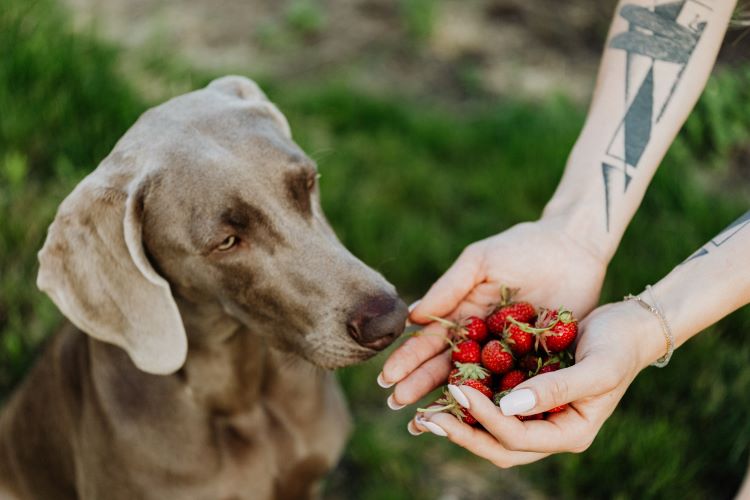
You're enjoying your breakfast fruit bowl one morning when you notice half of your banana is missing. Your dog is licking their lips and you know you have found the culprit! The good news is that there are fruits that are considered safe for dogs to eat (in small amounts) as an occasional treat.
“Most fruits can be offered to our pets in moderation, and they are a rich source of nutrients including fiber, vitamins, and minerals,” says Linda Simon, MVB, a veterinary surgeon and member of the British Royal College of Veterinary Surgeons.
From frozen treats to dried chews, there are ways your dog can enjoy all the delicious fruits on offer. That said, not every fruit is safe for dogs, and those that are should only be used as small, infrequent snacks rather than as part of your pup’s regular diet.
What fruits are not safe for dogs?
Always consult with your veterinarian first and get all the facts before introducing any new food to your dog. A good place to start is knowing what fruits dogs really shouldn’t eat due to choking hazards, toxicity concerns, or in many cases, both.
The truth is that not every fruit is okay for your pal to eat. Avoid these fruits entirely.
Cherries
When it comes to cherries and dogs, the main danger isn’t so much the fruit itself but the pits and stems. Both of these pose a choking hazard and can be toxic. Cherry leaves meanwhile contain cyanide, which is poisonous to pets (and people, for that matter). Though some sources advocate feeding just the flesh of this fruit to dogs, it’s best to stay on the safe side and keep cherries away from your pet altogether.
Grapes and raisins
Simon explains that any amount of grapes or raisins, consumed by a dog, can cause renal disease, possibly due to the tartaric acid (though the exact cause is unknown). If you notice your dog has eaten these fruits, take them to the vet as soon as possible so they can induce vomiting. Additional treatments your vet might recommend include IV fluids and charcoal to minimize toxicity.
Tomatoes
Unripened tomatoes can be potentially toxic as well as the green part at the top. Ripened tomatoes should also be avoided because the acidity can cause your dog to have an upset stomach.
Avocados
Bonk notes that avocados contain persin, a fungicidal toxin that can be toxic to dogs in large quantities. And because the pits can be a choking hazard, it’s best to just avoid avocados altogether.
Take your dog to the vet immediately if they accidentally eat an avocado pit.
Highly acidic citrus fruits
Highly acidic citrus fruits such as lemons and limes can cause your dog to have an upset stomach. This is because the acidity can cause a shift in your dog’s natural gut biome, leading to digestive problems such as diarrhea, vomiting, and stomach pain.

What fruits are safe for dogs to eat?
“There are many different fruits that provide dogs with healthy nutrients like vitamins and minerals as well as fiber and fluids,” says Chyrle Bonk, DVM, a veterinarian at Clearwater Valley Veterinary Clinic.
However, not all fruits are equal when it comes to your dog’s stomach.
“Citrus fruits tend to be fairly acidic, so less is better here,” Bonk explains. “Most berries are good in that they are low in sugar and still have lots of healthy benefits.”
Fruits considered safe for dogs to try in small amounts include:
- Apples (without the core, seeds, or peel)
- Bananas (without the peel)
- Blueberries
- Cantaloupe (seeds removed)
- Pumpkin (plain, with seeds removed)
- Watermelon (seeds removed)
- Strawberries
- Mango
- Orange (In small pieces, without the peel)
- Pear (pit and seeds removed)
- Peaches
- Cranberries
- Pineapple
- Raspberries
Learn more about which fruits and vegetables pets can eat!
How to safely give fruit to your dog
If your dog has a health condition, do not change their diet without first consulting with their veterinarian. That said, before you rush to the fruit bowl to hand any dog some delicious new treats, there are a few ways to prepare fruit for your dog to ensure safety. These include:
- Only feeding the fleshy part of the fruit
- Thoroughly washed
- Removing leaves, stems, seeds, pits, rinds, and peels
- Cutting up into small, bite-sized pieces
- Not from a can due to the high sugar content of the syrup
- Not mixed with other toxic ingredients such as chocolate or xylitol
It’s important to follow these guidelines to avoid blockages in your dog’s digestive system. If left untreated, a blockage in the digestive tract can be fatal so take a trip to your veterinarian if you are concerned. In many cases, your dog insurance can help cover the trip.
How much fruit can you give a dog?
Due to the high sugar content of fruit (fructose), it should be given to dogs in moderation as a treat. Bonk advises treats (including fruit) shouldn’t make up more than 10% of a dog’s daily caloric intake.
Simon adds, as dogs come in different shapes and sizes, the amount of fruit your dog can tolerate will be specific to them. Start with a small amount, ensuring it doesn’t cause any signs of discomfort such as bloating and flatulence. If your dog is fine, you can slowly increase the amount from there.
Sugar from fruit, even though natural, can also cause a shift in your dog’s natural gut biome. You may notice runny stools or bloating caused by this slight change. This is an indication that they have eaten too much or may have an allergy to a particular fruit.
It’s also a good idea to keep an eye on your dog’s weight. Introducing sugar into their diet can lead to weight gain and in extreme cases, obesity and diabetes.

Fun ways to introduce fruit into your dog’s diet
Not only are fruits nutritious, but they can also increase your dog’s enrichment. The new tastes and scents of fruit are exciting for dogs to explore.
There are many possibilities for introducing fruit into your dog’s diet. These include:
- Mashing up a little and adding it on top of your dog’s usual food
- Stuffing fruit into an interactive puzzle toy or treat dispenser
- Adding a little to yogurt or peanut butter and smearing onto a lick mat
- Cutting up into small bite-size pieces and freezing to make delicious frozen treats
- Mixing with some yogurt and freezing to make homemade dog ice cream
- Drying the fruit to make dried dog chews
Introducing other foods for your dog to try
Adding new tastes to your dog’s diet is a great way to increase their overall happiness and well-being. Not only do new tastes and textures provide new experiences for your dog, but increasing a dog’s enrichment has been proven to reduce destructive behavior, such as chewing furniture. Again, however, it’s crucial that you get prior approval from your pet’s vet before introducing any new foods, fruit or other.
Have more questions about your pet’s diet? Ask your veterinarian for dietary recommendations and to make sure you’re staying safe. But before you make your dog’s next appointment, learn more how quality pet health insurance can protect both them and your wallet from unexpected care costs.
Pet Parenting is the official dog and cat blog of Trupanion, a leader in the world of pet insurance. Here you’ll find useful dog and cat care tips, important veterinary insights, and an abundance of pet lifestyle topics. All of our articles are written by real humans with a love for pets, not AI. However, please note that the views expressed here are those of the individual authors and do not necessarily reflect those of Trupanion. Articles are reviewed by veterinarians for accuracy, but they are not a substitute for professional diagnosis and treatment. Always consult with your own pet’s veterinarian for advice.


