Ready to help treat your pet to a healthy life?
When Can Puppies Eat Adult Dog Food?
By : Trupanion Staff | Published Aug 20, 2024
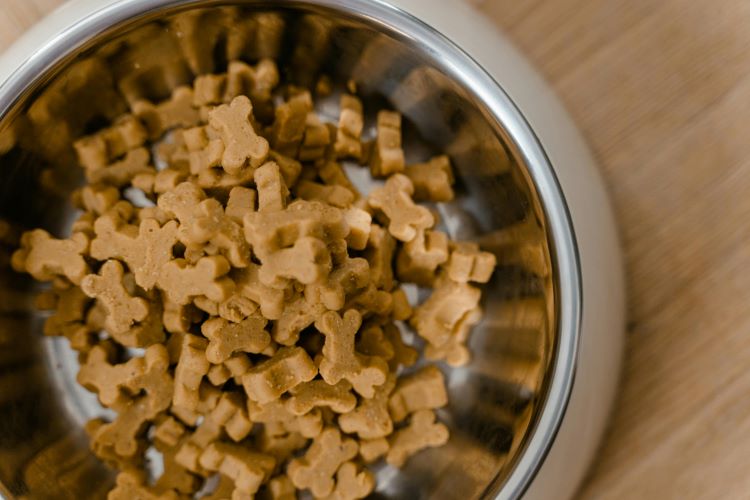
Just like human babies and children, puppies need different diets than adult dogs to keep them healthy as they grow. But what about when they no longer need puppy food? How do you know to when to make the switch to an adult pet diet? Though this is often an area of confusion for new pet owners, becoming aware of this and making appropriate adjustments is key to ensuring your pup gets the right nutrition at every life stage.
Transitioning puppies to adult dog food is relatively easy with the right guidance, but there are a few common pitfalls to avoid. Talking with your veterinarian is always important here, but a good first step is understanding why your dog’s nutritional needs change in the first place. Let’s take a look at your puppy’s diet and how to tell when they may be ready to make the switch.
Why puppies need different food
Puppies have different nutritional requirements from adult dogs because their bodies grow quickly between birth and adulthood. Feeding your puppy the correct diet helps them to grow at the optimal rate for their breed and build a strong immune system.
Generally, puppies need greater quantities of calories and certain nutrients in their diets than their adult canine counterparts. This supports their rapid growth and also sets up a solid foundation for strong bones and muscle development. And just as with humans, the right diet is key to preventing obesity and other health conditions.
Puppy diet essentials
So, what kinds of nutrients do puppies need? Again, it’s important to consult with your pet’s veterinarian about their personalized health needs. Generally speaking, however, you’ll need to feed your puppy a diet that’s formulated specifically for puppies. Regardless of breed, all young dogs require the following for healthy development:
- Protein — Your puppy's food should contain 22% to 32% protein to help them achieve optimal growth.
- Carbohydrates — Puppies need a diet containing around 20% digestible carbohydrates.
- Calcium — Calcium requirements vary between breeds. Most puppy foods contain 0.7% to 1.7% calcium, but large and giant breeds may require higher calcium levels for strong bone density.
- Fat — Puppy food should contain enough fat to support their frequent bursts of energy and rapid growth. Too much, however, can lead to obesity and musculoskeletal issues. For the average puppy, fat should comprise 10% to 25% of their diet.
Nutritional requirements vary between breeds. Your pup may need a specialized diet if they have certain health conditions. Your veterinarian can advise you on the most suitable diet for your pet.
Feeding your puppy food approved by the American Association of Feed Control Officials ensures they get the nutrients they need to thrive. Avoid giving your puppy supplements, and limit treats to keep their diet balanced.
Dangers of feeding adult dog food to a puppy
Adult dog food may not provide adequate energy or nutrition for growing puppies. If you feed your puppy this kind of food before they’re physically ready for it, they may not get the nutrients they need to grow properly.
Insufficient nutrients can increase the risk of immune system, muscular, and bone problems. Furthermore, adult diets often don't contain enough docosahexaenoic acid, a type of omega-3 fatty acid that helps your puppy's brain and eyes develop.

When to switch to adult dog food
You can usually start transitioning puppies to adult dog food at around a year old. However, your pup's breed and health can impact the best time to change their diet. Knowing what factors affect your dog’s dietary needs can help you make the best choice for their health and development.
Age and breed considerations
Different dog breeds grow at different rates, affecting the best time to switch from puppy food to an adult diet. Small and medium breeds tend to mature faster and reach their full-grown statures at earlier ages. While it’s still important to consult with their vet, you can usually transition your pup to adult dog food when they're 12 to 18 months old.
Large and giant breeds often mature later, which means you may need to feed them puppy food for longer. Your vet may recommend transitioning to an adolescent formula at around a year old and switching to adult dog food when your pup stops growing.
Signs of readiness
As we established above, Puppies generally become ready to switch to adult food when they near their adult size. That said, your puppy's activity levels can also play a role. Playful, active pups burn more calories and may need to stay on a higher-energy puppy diet for longer. Neutering your puppy can decrease their activity levels and reduce their metabolic rate, potentially making them more ready for an adult diet.
How to safely transition puppies to adult dog food
When your puppy's ready for an adult diet, it’s important to go slowly instead of switching abruptly. This gradual transition should take over 7 to 10 days, depending on your veterinarian’s recommendation. Slowly decrease the amount of puppy food and increase the amount of adult dog food in their bowl.
Even gradual diet transitions can cause diarrhea, flatulence, and other gastrointestinal discomfort as your puppy adjusts to their new food. These symptoms usually go away on their own within 1 to 3 days, and you can help your pup stay hydrated by providing plenty of water. Watch your puppy during the transition to check whether their symptoms resolve. If they don’t within a few days, give your veterinarian a call.
Common mistakes to avoid
The most common mistake while going from puppy food to adult dog food is changing a pet's diet too abruptly. Changing your puppy's food at once can cause stomach upsets.
Good nutrition matters at every stage of your dog's life, but some pet owners underestimate the importance of a high-quality diet for adult dogs. Generic dog food brands don't necessarily provide the nutrients your dog needs to stay healthy as they get older. You can ensure your pet gets a healthy, balanced diet by purchasing AAFCO-approved adult dog food.
Some owners continue feeding their adult dogs puppy food to avoid tummy upsets caused by diet transitions. While puppy food doesn't necessarily harm adult canines, it may contain too many calories and too much fat. A high-calorie, high-fat diet increases your pooch's risk of obesity and other health conditions.

Talk with your veterinarian
Your veterinarian can advise you on optimal puppy and dog nutrition. It's usually worth following their guidance on the best time to transition your pup to an adult diet. Keeping up to date with your puppy's regular health checks can help your vet spot any health issues impacting your pet's nutritional needs. Consult your vet if you're unsure when to switch to adult dog food.
Talk to your vet if you're worried about your pet's weight. Generally, you should be able to feel your dog's ribs, but they shouldn't jut out. Being overweight or underweight can cause health issues. Your vet can check for underlying causes and advise you on how much to feed your pup for a healthy body weight.
Seek veterinary attention as soon as possible if your puppy experiences diarrhea or other digestive problems after switching to an adult diet and their symptoms don't improve quickly. Prolonged digestive issues could signify an infection or another problem with your pet's health.
Learning to keep your puppy happy and healthy is a rite of passage for every pet owner, and it's also the perfect time to take other steps to protect your furry friend’s health. Purchasing dog insurance during puppyhood lets you get the most out of your policy and can help you prepare for unexpected health issues.
Learn more about why the best time to get pet insurance is when your puppy is young.
Pet Parenting is the official dog and cat blog of Trupanion, a leader in the world of pet insurance. Here you’ll find useful dog and cat care tips, important veterinary insights, and an abundance of pet lifestyle topics. All of our articles are written by real humans with a love for pets, not AI. However, please note that the views expressed here are those of the individual authors and do not necessarily reflect those of Trupanion. Articles are reviewed by veterinarians for accuracy, but they are not a substitute for professional diagnosis and treatment. Always consult with your own pet’s veterinarian for advice.


