Ready to help treat your pet to a healthy life?
How to Tell if Your Cat Knows their Name (According to Science)
By : CJ Silvasi | Published Mar 11, 2025

Cats and dogs are very different; this is common knowledge. But why does it seem that dogs so readily recognize their given names while cats tend to ignore us? Is it merely the nature of cats to do as they please?
While the intelligence of cats vs. dogs has been explored, researchers have done considerably fewer studies on cat name recognition than those with their canine counterparts. Comparing cats and dogs is natural for humans, but they are unique creatures and process human language uniquely. Of course, that doesn’t stop cat owners from wondering if cats know their names when they’re called and are getting no response. Let’s take a closer look at what science says about cat intelligence and name recognition.
Do cats know their names?
The short answer, according to science, is yes! Your cat can separate their name from similar-sounding words, even if they don’t respond to it. A group of scientists in Japan tested this last year by repeating words that have a similar sound to a cat’s name until the cat stopped reacting to it. They then switched to the cat's name and were able to see the cat react to their name while ignoring the other words.
And not only do cats know their names, but they also know the names of those around them. They probably know your name, and at least one study indicates cats may even know the names of their feline friends.
That said, this doesn’t necessarily mean that cats understand the concept of a name. As animal behaviorist Mikel Delgado told Gizmodo in 2019, it could just be a matter of cats understanding word association:
“It doesn’t mean that the cats understand that the word is a label for [themselves],” Delgado said. “Just that it is a sound that may predict food or cuddles or attention or something else.”
Signs your cat knows their name
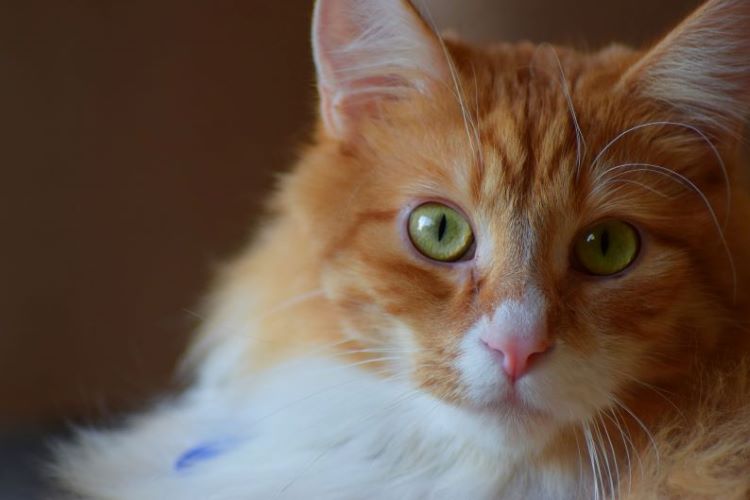
Even if your cat doesn’t always come when called, there are subtle ways to tell they recognize their name. Body language is going to be the most obvious sign of your cats responding to their names. So, the next time you call your cat, see if they respond with any of these physical indicators that feline researchers typically look for:
1. Ear twitching or head movement
If your cat’s ears perk up or rotate toward you when you say their name, it’s a good sign they recognize it. Some cats may also turn their head in your direction.
2. Tail or body movement
A cat that flicks their tail, stretches, or makes a small movement when their name is called may be acknowledging they’ve heard you — even if they don’t come running.
3. Eye contact or blinking
Cats often respond subtly, and making eye contact or slowly blinking after hearing their name can be their way of acknowledging you.
4. Approaching you
While not all cats will come when called, some do! If your cat regularly walks toward you or meows when they hear their name, they’ve very likely made the connection.
5. Reacting differently to their name vs. other words
One of the biggest indicators that a cat knows their name is when they respond to it but not to other random words. The aforementioned studies have shown that cats can distinguish their names from other words spoken to them, even when spoken by different people (though fun fact: they may also be able to distinguish between you and others by voice alone).
How quickly can cats learn their name?
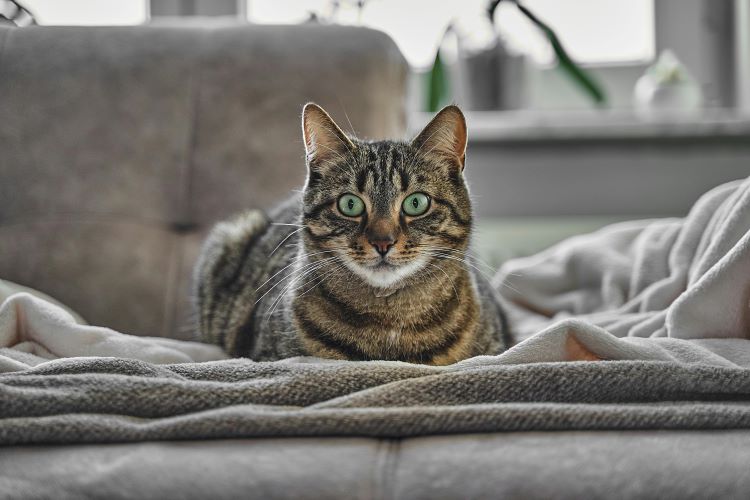
Each cat is going to learn their name at a different pace. Some cats can pick up their names immediately, while others may take a few weeks for your cat to recognize their name. Just like with other forms of intelligence, a cat’s ability to learn their name is tied to memory, recognition, and association.
Because cats rely on patterns to understand their world, they don’t just learn their names as words; instead, they associate the sound of their name with experiences, such as being fed, receiving attention, or hearing a certain tone of voice. The stronger and more consistent these associations, the faster a cat is likely to recognize and respond to their name.
This ability to connect sounds with experiences aligns with the way scientists measure feline intelligence. Their keen sense of human recognition also plays a role; they’re more likely to respond when their favorite person calls them because they associate that voice with positive interactions.
Can you test your cat’s intelligence?
Intelligence in cats is determined similarly to that of humans: problem solving. You can gauge your cat’s smarts by performing a few puzzle-based tests and observing their reaction. If you hide a treat, is your cat able to locate it quickly? Try cuddling them or distracting them with play between when you hide the treat and when you release them to find it. The faster they can locate it, the smarter they are, and the better retention they have.
Emotional intelligence can meanwhile be observed by your cat’s everyday behavior. Pay close attention to how your cat acts when you’re feeling down. Their actions about your mood will show you they may very well understand how you’re feeling, at least to the extent that cats can recognize emotions.
How many human words do cats understand?
If cats know their own names, the names and faces of their human family, and the names of the other cats around them, what else have scientists learned about human language and cats? Unlike studies on dog intelligence, there is little research to quantify cats and language.
Cats don’t understand human language in the traditional sense. They use a logic process based on association. They recognize the word “treat” because it is followed by treats. Their long-term memory plays a big role in their ability to retain the relationship between the sound of the word “treat” and the action of getting a treat.
If my cat knows their name, why do they ignore me?
These are the questions all cat owners want to know. If my cat is so smart and understands when I’m calling them, why don’t they respond? The answer is annoying in its simplicity: they don’t want to. Cats are more likely to be independent and stubborn, so if they hear you calling and don’t respond, it’s most likely because they’re intentionally ignoring you. Don’t take it personally; it’s just the nature of cats!
And don’t worry — just because your cat doesn’t respond to their name does not mean they don’t love you.
Protecting your clever cat
Now that we know cats recognize their names (even if they don’t always respond), it’s clear they’re more perceptive than they let on. Their intelligence, memory, and emotional awareness make them not just pets but true companions. But with great smarts comes great curiosity — and sometimes, that curiosity can get them into trouble.
Wherever your cat’s intelligence may lead them, unexpected accidents and illnesses can happen. That’s why having pet insurance for your cat can provide peace of mind, helping your feline friend get the care they need. After all, if your cat is smart enough to recognize their name, they’re smart enough to get into mischief, so they’re counting on you to protect them when it matters most.
Pet Parenting is the official dog and cat blog of Trupanion, a leader in the world of pet insurance. Here you’ll find useful dog and cat care tips, important veterinary insights, and an abundance of pet lifestyle topics. All of our articles are written by real humans with a love for pets, not AI. However, please note that the views expressed here are those of the individual authors and do not necessarily reflect those of Trupanion. Articles are reviewed by veterinarians for accuracy, but they are not a substitute for professional diagnosis and treatment. Always consult with your own pet’s veterinarian for advice.


