Ready to help treat your pet to a healthy life?
What Should I Do if My Pet Eats Antifreeze?
By : Brianna Gunter | Updated Jan 2, 2025
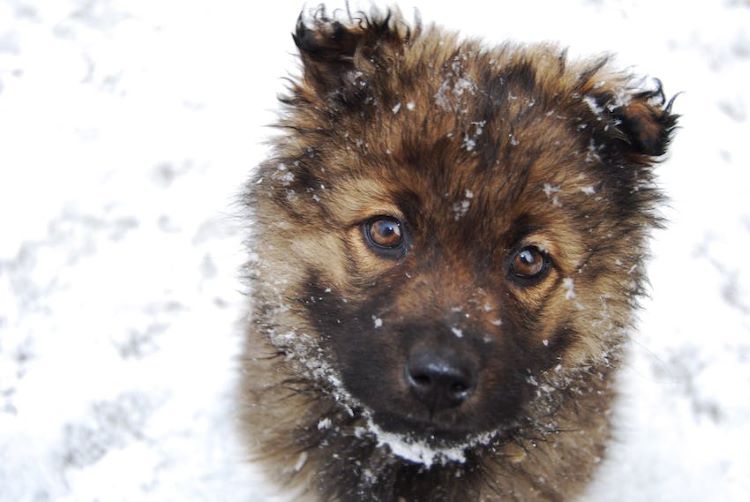
This shouldn’t come as a surprise, but it’s never safe for dogs or cats to ingest antifreeze. Unfortunately, antifreeze poisoning in pets is a winter danger that many people are unaware of until it happens. If you witness your dog or cat eating or licking antifreeze, seek immediate emergency veterinary attention as consumption can quickly lead to death or serious internal harm.
In the meantime, it’s always best to be prepared for the unexpected. By taking the time now to learn the dangers of pet antifreeze consumption and what to do if it happens, you can lessen the chances of disaster. To better arm you with knowledge, let's go over what exactly antifreeze is, why it's used, and why antifreeze and pets are a dangerous combination.
What is antifreeze?
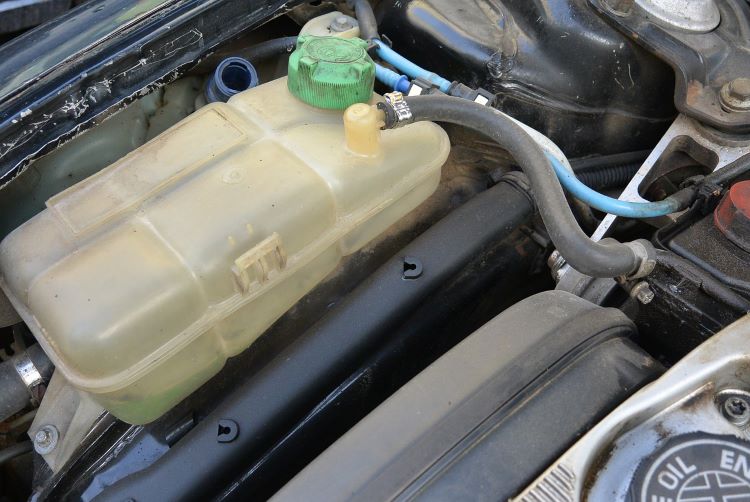
You've heard of antifreeze, but what exactly is it, and are there pet-safe alternatives? Antifreeze is a liquid additive that regulates the boiling and freezing points of your engine coolant, preventing car parts from getting rigid and bursting in extreme temperatures (like winter chills). Using antifreeze is considered highly important in places with frequently cold temperatures or any location where the climate can get into freezing territory.
As such, antifreeze has a variety of important uses. In addition to being used in vehicles in cold weather areas, many people use antifreeze solutions to prevent freezing in their indoor plumbing. But while antifreeze varieties are usually dyed green, blue, or orange for better human recognition, it’s the ethylene glycol in its base that is known to be sweet-tasting and attractive to animals. The good news is that for the past several years manufacturers have been placing bitterants in antifreeze to make them less appealing to curious pets, but this still does not make the chemicals safe.
Pet-safe alternatives to antifreeze
The good news is that pet-safe alternatives to antifreeze do exist, though they may not be as effective as the original stuff. The pet-safe antifreeze versions are contain propylene glycol instead of ethylene glycol, which is considered safer if ingested. It can still cause harm, however, so it is best to keep dogs and cats out of all chemicals.
How harmful is antifreeze to dogs and cats?
If you suspect your pet may have consumed any amount of antifreeze, it's crucial to seek medical attention right away. The truth is that even a little taste of antifreeze can cause detrimental health effects in both dogs and cats.
“It’s incredibly dangerous,” says Dr. Natalie Marks, a Chicago-based veterinarian. “While five tablespoons are enough to kill a medium sized dog, cats can ingest a fatal amount just from licking their feet after walking through a puddle of antifreeze.”
In addition to being a potentially fatal poison, antifreeze consumption can cause vomiting, seizures, kidney failure, and other serious conditions in cats and dogs.
Signs of antifreeze consumption in pets
Any sign of your pet “seeming off” should be taken as cause for concern. All pet owners should be on the lookout for the following:
- Vomiting
- Frequent urination
- Fatigue / malaise
- Convulsions / seizures
- Fainting / passing out
- Acting hyper / delirious behavior
- Poor coordination, “drunken” appearance
- Fast heart beat
- Diarrhea
Depending on how much antifreeze your pet ate and how long it’s been since ingestion, the signs of poisoning can vary greatly in severity.
“In the early stages, pets may act depressed, stumble, have difficulty walking, drink significant amounts of water, urinate excessively, vomit, and even seizure,” Marks says. “In later stages, pets may have a period of false improvement, but then worsen as kidney failure develops. Dogs and cats sink into more depression, have increased episodes of vomiting and then produce less and less urine as the disease progresses.”
Is your pet acting abnormal and you are not sure if they have consumed antifreeze? Contact your veterinarian right away.
What to do if your pet eats antifreeze
If you catch your cat or dog eating or licking antifreeze, or you otherwise suspect they’ve consumed it, you need to act quickly to prevent or limit harm. As Marks notes, timing is everything when it comes to your pet’s recovery.
“See a veterinarian right away,” she says. “If a pet is seen within a few hours of ingestion, we can induce vomiting to remove stomach contents and then give oral activated charcoal by mouth to bind the rest of the antifreeze in the intestines.”
Marks also points out that antifreeze by itself is not very toxic, but if left untreated after consumption it will be processed by the liver into poisonous byproducts.
The bottom line? Only veterinary intervention can help your pet recover in these cases. Do not attempt any home remedies — treat every case of antifreeze consumption in your pet as a medical emergency.

Prevent your pet from consuming antifreeze
When it comes to pet poisoning, the best thing you can do is to prevent your dog or cat from getting access to dangerous substances in the first place. Keep in mind that antifreeze is naturally sweet-tasting and can therefore be appealing to pets. It's up to you as the pet owner to keep it out of their reach.
According to Marks, there are a variety of safety measures pet owners can take to help ensure their four-legged family members don’t have access to antifreeze.
- Store any new and used antifreeze in a sealed, leak-proof, and chew-proof container that your pet can’t open.
- Keep antifreeze containers high up and out of reach of your pet.
- Try to avoid putting antifreeze in toilets. If it is used, make sure the lid is locked down and the door to the bathroom is always closed.
- Check driveways for any puddles of antifreeze, and clean them up promptly.
- Dispose of used antifreeze at a service station or designated toxic waste disposal location.
- Consider using alternative antifreeze products.
For those curious about antifreeze alternatives, these will vary depending on your location and intended use. Take a look at your driver’s manual, and talk with your mechanic or dealership about any antifreeze substitutes that may be available for your car. Even so, always keep any chemicals, plumbing products, or vehicle additives far out of your pet’s reach.
Winter isn’t the only time when pet owners need to be cautious. If you haven't done so already, there's no better time than the present to protect your furry family member with a quality pet medical insurance plan. Emergencies happen to both dogs and cats and are unpredictable, but a good pet insurance policy will help ensure they can get the treatment they need.
Pet Parenting is the official dog and cat blog of Trupanion, a leader in the world of pet insurance. Here you’ll find useful dog and cat care tips, important veterinary insights, and an abundance of pet lifestyle topics. All of our articles are written by real humans with a love for pets, not AI. However, please note that the views expressed here are those of the individual authors and do not necessarily reflect those of Trupanion. Articles are reviewed by veterinarians for accuracy, but they are not a substitute for professional diagnosis and treatment. Always consult with your own pet’s veterinarian for advice.


