Ready to help treat your pet to a healthy life?
Halloween Candy & Pets: Safety Tips
By : Alyssa Little & Trupanion Staff | Updated Oct 13, 2023
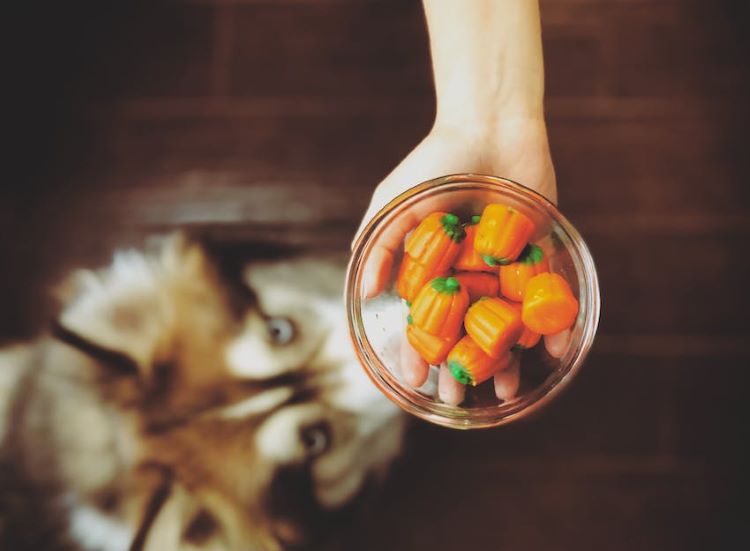
Trick-or-treating is a fun Halloween activity for humans young and old, but pet safety when it comes to Halloween candy is often overlooked. Halloween candy might be tasty to people, but even just one piece of candy can be toxic to our furry friends. Being aware of what treats pose the greatest risks, keeping your stash from pets, and learning the signs and symptoms of toxicity in animals can help keep the entire family safe this season.
5 Halloween sweets that aren’t safe for pets
As a general rule of thumb, no Halloween candy (or any candy really) should be considered safe for dogs or cats. All human sweets should be kept well out of reach of pets, preferably in sealable containers that they cannot easily open. That said, there are certain items you'll want to practice particular caution around and be able to spot the signs of toxicity for in case of veterinary emergencies.
1. Chocolate
Chocolate is typically the number one pet toxicity claim received by Trupanion during the Halloween season. If you think your pet has possibly consumed chocolate, there are some key symptoms you need to look out for. Symptoms can include:
- Stomach issues
- Vomiting
- Diarrhea
- Increased heart rate
- Restlessness/hyperactivity
If you think your pet has ingested chocolate, don't wait to get help. Bring them to an emergency veterinary hospital right away and try to provide as much information as possible about the type of chocolate and quantity your pet may have eaten.
2. Raisins
You may think chocolate or other sweet candies are the only potential threats this spooky season, but some people opt to hand out a healthier option to trick-or-treaters — raisins. Even though raisins are healthy for humans, they are considered highly toxic to dogs and cats alike. The exact reason for this is unknown, but raisin ingestion has been known to cause kidney failure in pets and can, in some cases, lead to death.
Similar to chocolate, symptoms of raisin ingestion include vomiting, diarrhea, weakness, and seizures. All of these symptoms are very serious and even if your pet ingests a small quantity, you should call your veterinarian immediately.
3. Xylitol
Although Xylitol is not a type of Halloween candy by itself, the ingredient is often found in numerous sweet treats. Xylitol is a common ingredient in foods such as sugar-free gum, mints, lozenges, and other hard candies. However, it is highly toxic to pets. If you feel your pet may have ingested xylitol, please seek veterinary care immediately. Dogs in particular can become hypoglycemic, experience vomiting, weakness, and can even collapse.
Xylitol can be tricky because people don’t automatically think of it as being in their Halloween candy. Some might perceive leaving a mint on the counter to not to be a threat because it isn't chocolate, but the truth is that no candy should ever be left out in the open with pets around.
4. Lollipops
In addition to the candy itself containing harmful ingredients for pets (like chocolate or xylitol), lollipops are extra dangerous because of their stick holders. These can pose a choking hazard or could become stuck in your pet's digestive tract even if swallowed successfully. Depending on the sharpness or material the stick is made out of, there is also a risk that it could cause internal bleeding and injury.
No matter what a lollipop is made out of, keep it far away from your pet. Even a lot of "doggy pops" that are actually intended for pets can still be dangerous because of the sticks. So, if you must give your pet a pop to munch on, hold it for them and don't leave them alone.
5. Candy corn
Candy corn is primarily dangerous to dogs and cats because many varieties contain xylitol, but it is so prevalent during the Halloween season that it deserves its own category on the pet poison list. There are different types of candy corn, each containing various ingredients that are harmful to our four-legged friends. From high levels of sugar and food coloring chemicals to corn syrup and calorie-heavy marshmallow, these popular Halloween treats should never be offered to pets or left out in the open.
Alternatives to Halloween candy for pets
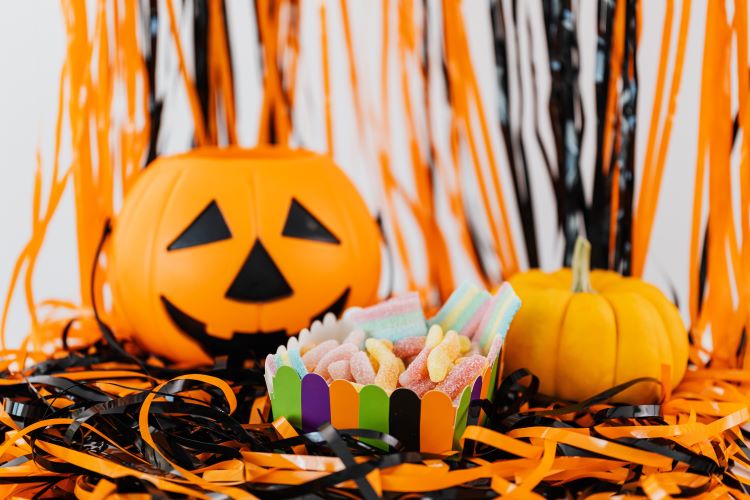
One way to distract a curious pet is to keep some of their favorite (and veterinarian approved) treats handy to make sure they feel included in the festivities. You can also consider giving your furry friend their own toy "candy" this year to keep them occupied, like this plush toy candy cauldron for dogs.* You can also try making some of your own pet treats from safe ingredients.
Regardless, it’s crucial to be careful in regard to where you store your Halloween candy this season. All it takes is one bump to knock over a jack-o-lantern bowl filled with candy, and it could be tough to grab it all before your pet gets to it.
We hope you have a safe and fun-filled Halloween with your furry companion! Keep in mind that Halloween dangers aren't just limited to candy. Protect your pet from these seasonal risks while you're at it.
Pet Parenting is the official dog and cat blog of Trupanion, a leader in the world of pet insurance. Here you’ll find useful dog and cat care tips, important veterinary insights, and an abundance of pet lifestyle topics. All of our articles are written by real humans with a love for pets, not AI. However, please note that the views expressed here are those of the individual authors and do not necessarily reflect those of Trupanion. Articles are reviewed by veterinarians for accuracy, but they are not a substitute for professional diagnosis and treatment. Always consult with your own pet’s veterinarian for advice.


