Ready to help treat your pet to a healthy life?
Open-Window Season - Preventing Cat Falls, Screen Blowouts, and Balcony Accidents
By : Kathleen Crampton | Published Jun 24, 2026
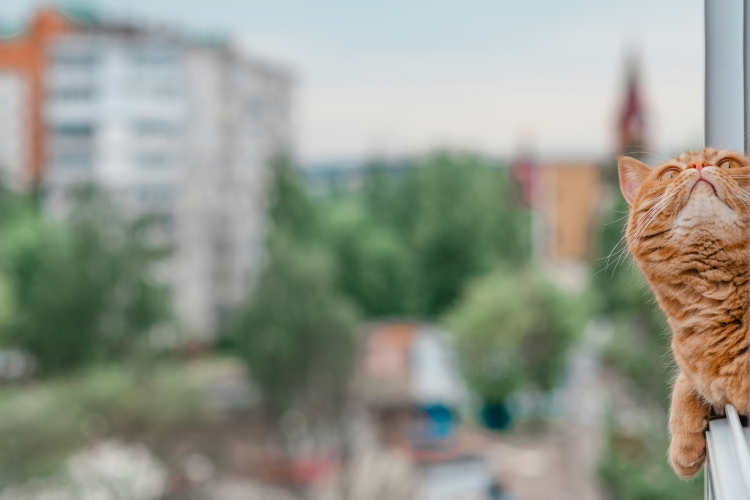
As winter slowly creeps away and signs of good weather appear, you likely start opening your windows again to let in all that wonderful fresh air. But for pet parents everywhere, it's important to remember that your cat's safety should always come first—and that means learning how to prevent your cat from falling out a window, falling off a balcony, and so on.
Even windows with screens or balconies with netting installed in years past can be risky for your pet. But before you start panicking, read this guide that walks you through the dangers of open windows (and doors to balconies), how to complete a quick home safety audit, and simple fixes to keep your cat safe. This way, you can enjoy outdoor air while still protecting your furry little pal.
Why open windows are risky even for careful cats
You might think that windows with screens mean that your cat will be safe and sound inside. But that's not always the case. Here's why.
Many window screens aren't made to bear weight
Window screens are made to keep pests out, not necessarily to bear weight. So, if your cat cozies up to the screen or, of course, tries to escape, the screen will likely not be able to hold their weight. This puts them at risk of falling out the window, especially one with a screen that isn't held tightly in place, even if they're simply resting against or pawing at the screen.
Screens may deteriorate over time
There are lots of different types of window screens, some of which are inexpensive but not as durable as others. For instance, fiberglass and aluminum screens are commonly found in homes because they're cost-effective, but they typically don't hold up to pets, kids, or intense weather like other types do. They might warp from the sun's heat or become damaged from wet weather. This can cause screens to lose their shape, shift out of place, or develop gaps between the screen and the window frame—all situations in which a screen can be easily popped out of the window by a curious kitty.
Plus, we all know that cats love to scratch. This is instinctual behavior that helps them mark their scent and territory, stretch out, and keep their claws in good condition. But if they start clawing or scratching at your window screens or screen doors, tears could develop into holes that make it easy for your cat to escape.
Cats' hunting instincts can make them want to escape
Some pet parents of lazy cat breeds believe that their docile, homebody feline won't be tempted to leave their creature comforts for the great outdoors. The truth is that all cats have a hunting instinct—even those that are indoor cats.
For instance, you've likely noticed your cat start chattering, their tail standing on end, and their body in pounce mode when a bird flies by the window or they spot a rodent scurrying by the window. When their hunting instinct kicks in, your cat may be more likely to try to jump through an open window or screen door to reach their prey.
Home audit checklist for cat safety
Now that you understand the risks of open windows and doors, it's time to learn how to identify risky items in your home. Do this safety audit before you start opening windows and doors for the season so that you can prevent your cat from falling out the window, escaping through an open door, or falling off a balcony.
- Perform a cat window screen safety test. Check window screens for signs of wear and tear, including warping, tears or holes, or indentations. Press lightly on the screen from the inside of your home; if it wiggles, it needs to be fixed or replaced. Go outside and check every window frame, looking for any gaps or cracks around the frames.
- Check screen doors. Follow the same steps for the window screen safety test, instead inspecting any screen doors and frames.
- Do a cat balcony safety test. Perhaps you have a balcony and you want your cat to be able to spend time out there. If so, step onto the balcony and think like a cat. No, really—look around and view the balcony through your cat's eyes. Could they fit through the railings, jump on top of the railing, or scratch through existing netting? If any of these questions can be answered with "yes," you'll need to do some remediation to ensure that your cat can be safe on the balcony.
Make a list of all the items that need fixing, and be sure to keep windows and doors closed in the meantime so that your cat stays safe.
Cat safety precautions - simple fixes for renters and homeowners
Now that your safety check is complete, follow these tips for escape-proofing your home:
- Fix existing screens. You might be able to simply fix your existing screens if they're otherwise in good shape. This might look like patching small holes with screen repair tape, reinforcing nails and screws, or replacing the spline that holds the screen in place within the window or door frame.
- Replace your window and door screens. The best method for how to cat-proof windows is installing pet-safe screens. These are screens that have a heavy-duty mesh material that's resistant to pet scratches and often provide more resistance against weight.
- Reinforce the windows themselves. If you're not confident in the safety of your window screens, you can limit the openings of the windows with what's called a window limiter. Install a window limiter to each window, therefore restricting how far the window can open. Of course, ensure that the window screens are still intact.
- Add a screen guard. You can also install a child-safe screen guard, which may be able to withstand up to 100 pounds of weight, depending on the brand. See what your local hardware store offers.
- Install cat netting on the balcony. Enclose your balcony with cat netting to prevent your furry friend from squeezing through the railings. Make sure that the screen is weather-resistant, heavy duty, and attached securely to the railing or wall.
- Remove tall objects or furniture from the balcony. Those trash cans, table and chair sets, and large pots or plants should be moved elsewhere. Your cat could use these as a jumping-off point to reach the top of the balcony railing.
- Build a catio. Catios are a great solution for letting your cat enjoy the balcony or backyard safely. They're enclosed spaces built with steel or netting, where your cat can lounge or walk around without risk of escape. Catios can be purchased ready-made, or, if you're handy, you can build one yourself.
If you're a renter or live in a neighborhood with a homeowners association, you'll likely need to check with your landlord or the association regarding what's allowed for outdoor spaces, including window adjustments, balcony adjustments, and so on.
What to do if your cat falls from a significant height

Even with the best planning to prevent your cat from falling out a window or off a balcony, sometimes things just happen. If your cat falls from a tall height, they could experience cat high-rise syndrome, which refers to any injuries sustained from a two-or-more-story fall. Falls from significant heights can be traumatic for your cat, with high-rise syndrome in cats presenting with some of the following symptoms:
- Broken bones or fractures
- Fractured ribs
- Collapsed or bruised lungs
- Injuries to the face, such as broken teeth or jaw fractures
- Internal bleeding
- Concussions or brain swelling
If your cat falls, call the vet or emergency pet clinic immediately. Even if your cat shows none of the above symptoms and seems ok, it's still a good idea to get professional attention, as some injuries could be internal. Approach your cat slowly, pick them up carefully (perhaps using a towel or blanket if they can't move), then place them in their carrier to take them to the vet.
How pet insurance can provide peace of mind
As you assess your home for cat window screen safety, screen door safety, and balcony safety, consider further protecting your furry feline with a pet insurance policy. Cat insurance can help to pay for the cost of treatments for covered emergencies, illnesses, chronic conditions, and more. So, if they get into mischief or suffer a fall, your cat can get the necessary therapies, medicines, or surgeries to get them healthy again.
Sign up for Trupanion cat insurance today to keep your companion healthy and happy no matter what life throws their way.
Pet Parenting is the official dog and cat blog of Trupanion, a leader in the world of pet insurance. Here you’ll find useful dog and cat care tips, important veterinary insights, and an abundance of pet lifestyle topics. All of our articles are written by real humans with a love for pets, not AI. However, please note that the views expressed here are those of the individual authors and do not necessarily reflect those of Trupanion. Articles are reviewed by veterinarians for accuracy, but they are not a substitute for professional diagnosis and treatment. Always consult with your own pet’s veterinarian for advice.


