Ready to help treat your pet to a healthy life?
Shedding Season Is Here: Normal Coat Blow vs. a Skin Problem
By : Kathleen Crampton | Published Jun 23, 2026
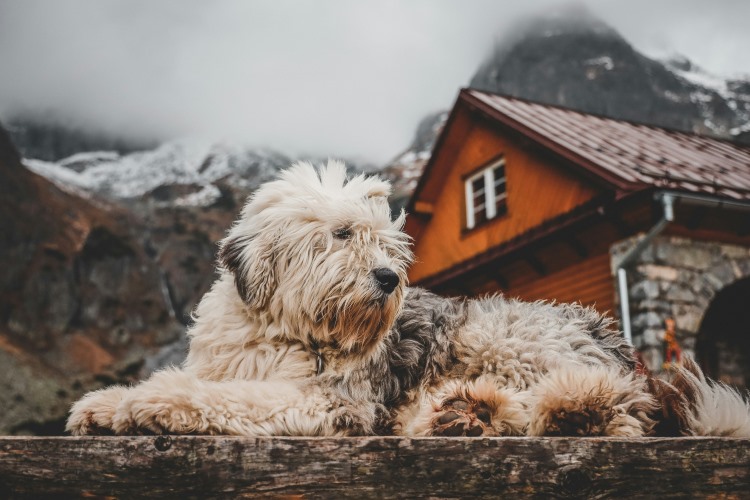
If you've ever heard the phrase "blow their coat," you're likely a pet parent who has dealt with your fair share of dog or cat shedding seasons. While these times of year can be frustrating (hello, hair everywhere), fall and spring shedding in dogs and cats is important for their coat and skin health.
But what's considered normal for fur loss? How much is too much? These are common questions among pet parents. Find out what normal shedding looks like during "blowout" season and throughout the year, red flags to watch out for, and when it's time to call the vet.
What normal spring shedding looks like
While most dogs and cats shed year-round, many go through what's called "blowing their coats," meaning that they experience intense shedding about twice a year. These dog and cat shedding seasons occur usually once in the spring—to shed their thicker winter coat—and once in the fall—to prepare for their winter coat. These seasonal preparations are normal and help dogs and cats regulate their body temperatures and keep their skin healthy.
Spring shedding in dogs and cats might look different depending on the breed. For instance, long-haired, double-coated dog breeds, like Golden Retrievers, may shed their coats in clumps of fur, while some short-haired breeds won't display as intense of a shedding season. The same goes for cats: Heavier shedders may include Maine Coons, Norwegian Forest Cats, and other long-haired, double-coated breeds.
Pet parents should expect some level of shedding from their cat or dog in spring and fall. Here's what to keep in mind during shedding season:
- Different breeds may have different levels of shedding.
- Don't panic if you notice your pet's hair shedding consistently in clumps, especially if they have long hair, a double coat, or are typically an outside pet.
- Keep tabs on your pet's usual amount of shedding throughout the year and then during blowout season. Use this to compare shedding levels from year to year.
- If you're ever concerned, don't hesitate to call your vet (we'll cover concerning issues, here, too).
Shedding vs. hair loss: Why the difference matters
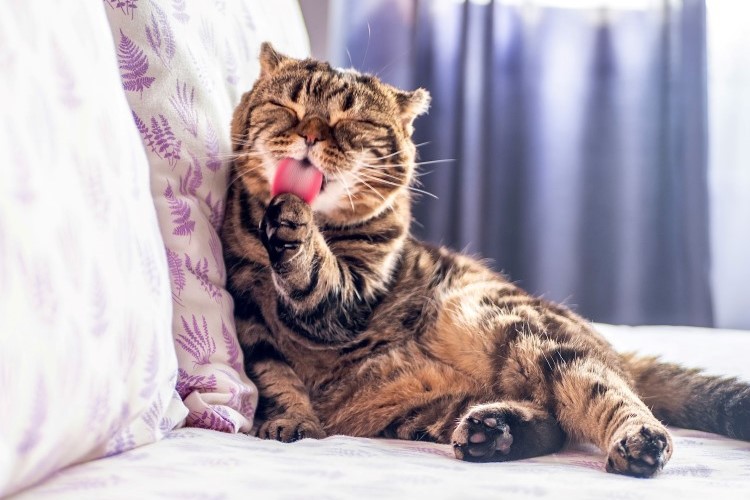
It's important to understand the difference between shedding and hair loss. Shedding is a natural part of your pet's coat maintenance, occurring throughout the year and perhaps more so during season changes. As new hair grows, old hair is shed.
Concerning hair loss, however, might look like:
- Excessive shedding in dogs and cats (more so than their usual amount, throughout the year and during the "coat blow" season)
- Patchy areas of fur loss or hair thinning
- Bald spots
These instances aren't considered normal year-round or spring shedding in dogs or cats and warrant a visit to your vet.
When to worry about shedding: Red flags that point to a skin problem
During the spring shedding season—and throughout the year—monitor for the following signs or symptoms, which could indicate a medical condition with your pet:
- Excessive shedding outside of the typical shedding seasons
- Inconsistent shedding, with areas of patchy fur loss or thinning fur
- Clear bald spots
- Skin irritations, like bumps, redness, sores, or scabs
- Dry or flaky skin
- Changes in behavior, such as stress behaviors or lethargy
- Rubbing up against furniture or other surfaces
- Licking or chewing certain spots on their skin
- Weight gain
When should I take my pet to the vet for hair loss?
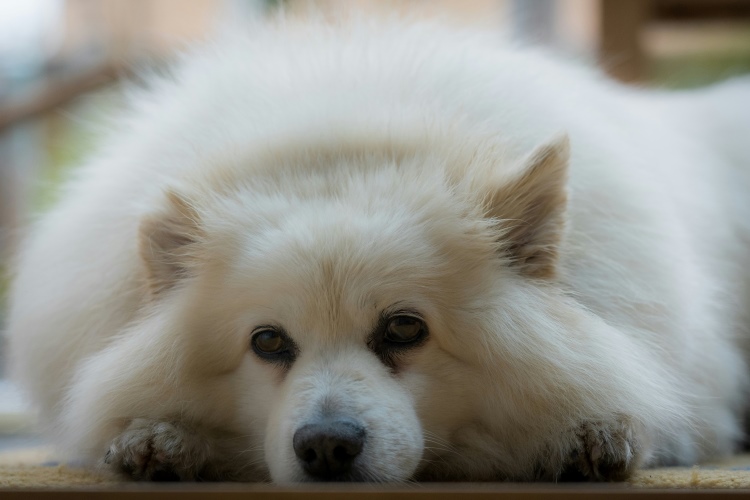
If your dog or cat is shedding excessively, it's best to contact your veterinarian. For hair loss in dogs, the causes could be similar to cats. Your vet will be able to assess your pet and provide a diagnosis and treatment plan for any underlying causes, which could include:
- Allergies. Your pet may develop an allergy to medications, food, pollen, or fleas (among other things), which could result in itchiness or redness of the skin and other symptoms. In terms of cat or dog hair loss vs. allergies, you'll often see allergic skin reactions along with hair loss—but not always. Either symptom warrants a trip to the vet.
- Parasites. If your dog or cat has fleas, ticks, or mites, they'll likely scratch, bite, or lick the same areas repeatedly, leading to patches of hair loss or bald spots. For instance, mange on dogs can result in dermatitis, hair loss, and skin lesions.
- Hormonal imbalances. Cats and dogs with endocrine disorders that affect their hormones may experience thinning hair or baldness, sometimes called endocrine alopecia. With hormonal imbalances, including hyperthyroidism, excessive hair loss is usually accompanied by weight gain or changes in appetite or behavior.
- Stress. Pets are very sensitive to changes in their environment, whether you're introducing a new kibble or moving houses. If they become stressed, they could start shedding more than usual, which is referred to as stress-induced shedding. Stressed dogs and cats may also display changes in behavior or try to groom themselves excessively.
- Imbalanced diet. If your furry companion isn't getting enough nutrients in their daily diet, their coat and skin may be affected.
To properly diagnose your pet, the vet may conduct a physical exam, do a skin scrape or collect a sample of fur for analysis, or order a blood test. It's important to communicate any and all changes to your pet's coat, skin, and behavior so that your vet has a comprehensive view of what's plaguing your pet—and what the cause might be.
How to keep your pet's coat healthy
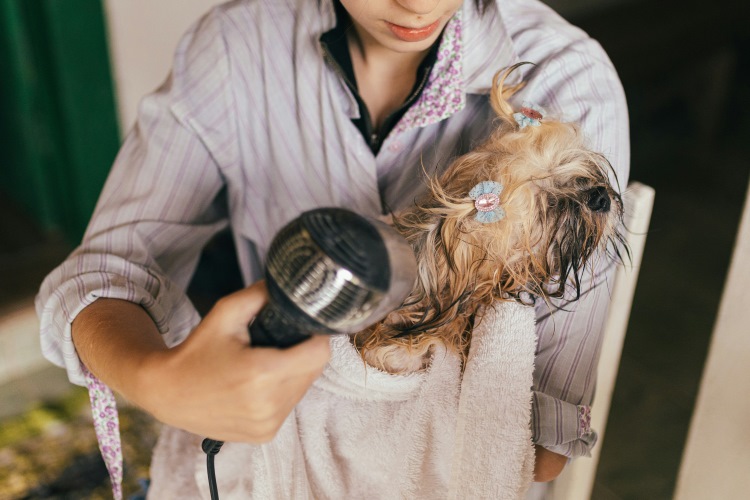
Your pet's care begins at home. There are some tried-and-true best practices for helping your pet's coat and skin stay healthy:
- Routinely check for fleas and flea bites on your pet's skin and "flea dirt" (little black specks) on their skin or bedding. A flea comb can be very helpful with monitoring for fleas.
- Follow your vet's dietary recommendations, including wet and dry kibble and treats. Your dog and cat should be getting enough protein, fatty acids, vitamins, and other nutrients to keep their coat and skin healthy.
- Brush them routinely, especially long-haired cat or dog breeds, to prevent their fur from becoming tangled or matted and distribute oils across their skin.
- Use an appropriate vet-approved brush or comb when grooming your pet.
- Keep your pet on a monthly flea and tick medication.
- Provide a consistent routine and environment for your pet to keep them comfortable, happy, and not anxious.
- For dogs, bathe them at a frequency prescribed by your vet and use only dog-safe shampoos and conditioners.
How can pet insurance help during shedding season?
Remember that spring shedding season in dogs and cats is completely normal—but what's not are the other symptoms and signs we've discussed here. If your pet has to pay a visit to the vet for any concerning symptoms in addition to hair loss, they may need medications, supplements, or other treatments to fix the issue. That's where pet insurance can help.
Pet insurance for dogs and cats acts like a safety net for your furry companion—and a budget protector for pet parents. When you have Trupanion pet insurance, we'll help you pay for the cost of covered conditions, illnesses, or injuries so that your favorite feline or canine friend can feel like themselves again and sport a healthy coat and skin.
Pet Parenting is the official dog and cat blog of Trupanion, a leader in the world of pet insurance. Here you’ll find useful dog and cat care tips, important veterinary insights, and an abundance of pet lifestyle topics. All of our articles are written by real humans with a love for pets, not AI. However, please note that the views expressed here are those of the individual authors and do not necessarily reflect those of Trupanion. Articles are reviewed by veterinarians for accuracy, but they are not a substitute for professional diagnosis and treatment. Always consult with your own pet’s veterinarian for advice.


