Ready to help treat your pet to a healthy life?
Spring Wildlife Encounters: Skunks, Porcupines, Snakes, and What to Do
By : Kathleen Crampton | Published Jul 10, 2026

There's nothing quite like a fun outdoor adventure with your pet, whether it's on a hike, at the beach, or even playing with them in the backyard. But what happens if there's a wildlife encounter with your pet? Many pet parents aren't aware of what to do in these situations, but it's important to have a full understanding of specific animal encounters.
Here, we'll cover common springtime animal risks to your dog, from snakes to skunks to porcupines. Learn what to do if your dog experiences an injury, what to monitor, and when to take them to the vet for professional care.
Why warmer weather increases wildlife encounters
With warmer weather comes animals looking for food and other animals to mate with. They begin navigating the world around them, getting busy with foraging and breeding.
All of this activity can lead to more encounters with wildlife, from skunks to porcupines to snakes, both during the day and at night. This makes it important to protect your pet from potentially risky meetings with regional animals—and know what to do if they suffer an injury. Of course, prevention should be a priority throughout the year, but especially during the warmer months.
Skunk spray: First steps and safe cleanup
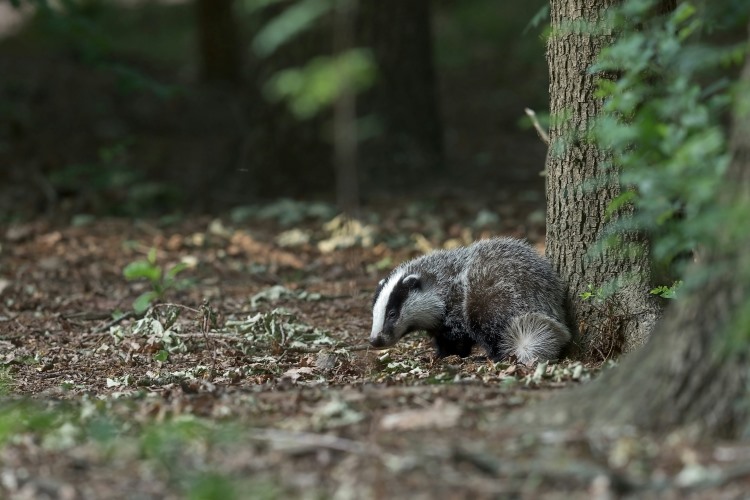
If your dog is sprayed by a skunk, what to do can be perplexing for pet parents. First, assess where your pup was sprayed. If they don't have any symptoms except a bad odor, the spray likely only got on their coat. In this case, Tufts University recommends simply bathing your dog—outside if possible—with a mixture of hydrogen peroxide (1 quart), baking soda (0.25 cup), and liquid dishwashing soap (a couple of teaspoons). You can also ask your vet for pet-safe store-bought shampoos that would work well for your dog's coat and any skin sensitivities.
Ensure that you use the solution immediately after preparing it, as it doesn't keep well. Wear old clothes and gloves while washing your pup, and avoid contact with eyes.
If the skunk spray got in your dog's eyes or mouth, they'll need to be taken to the vet for a closer assessment, as the spray can irritate the eyes, cause nausea and vomiting, and potentially cause anemia.
Porcupine quills: Why quick vet care matters
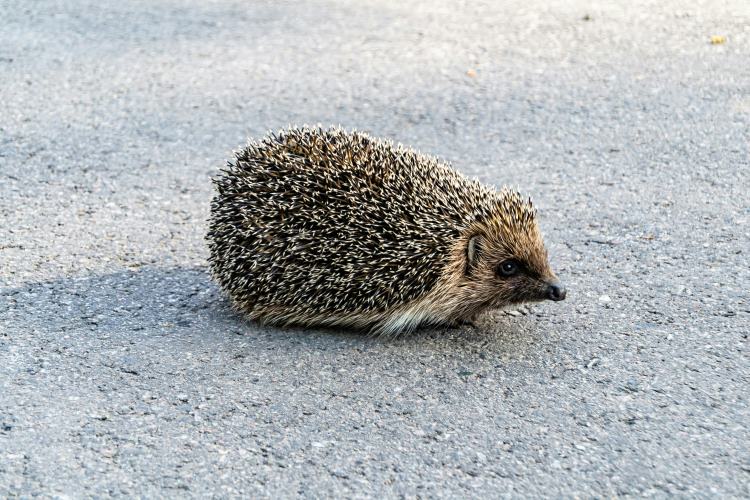
Curious dogs wandering into forested areas in some parts of the United States may be surprised to encounter porcupines. While the animals look cute, porcupines' quills are very risky for your pup. When their barbed quills puncture the skin, they can move farther into the body over time, if not removed safely.
This is where professional care is paramount. Trying to remove or cut quills by yourself is very dangerous, as they may break, which can cause the quill to splinter and situate inside the body's tissues. Additionally, it's best if your dog is sedated during quill removal because the process can be quite painful.
For the porcupine-quills-in-dog removal process, head to the vet immediately. Try to keep your pup from touching the quills, which can aggravate them and cause them to move deeper into the body.
Snake bites: What to do after a snake bites your dog

If a snake bites your dog, take your dog to the vet immediately, even if you're sure that the snake wasn't venomous. Non-venomous snakes are still a danger to your pet because their bite can lead to infection at the site of the bite if not treated.
Venomous snakes, of course, are even more dangerous, as their venom can spread quickly through the body and is often fatal if not treated. For example, depending on the type of snake, your vet may suggest administering a rattlesnake toxoid.
Here's what to do (and what not to do) for snake bites
- Try to identify the type of snake or note the size and markings. If there's time and it's safe to do so, try taking a photo of the snake. This will help the vet know what action to take for treatment.
- Keep your dog calm, as movement and stress can make venom spread more quickly.
- You may need to muzzle your pup so that they don't lick or disrupt the punctured area.
- If they were bitten on the leg, keep that leg below the heart.
- Don't give them food or water during transport to the vet, as this may make their symptoms worse.
- Do not apply a tourniquet, as this can lead to local injury of the tissue if done incorrectly.
Monitoring checklist for any wildlife encounter
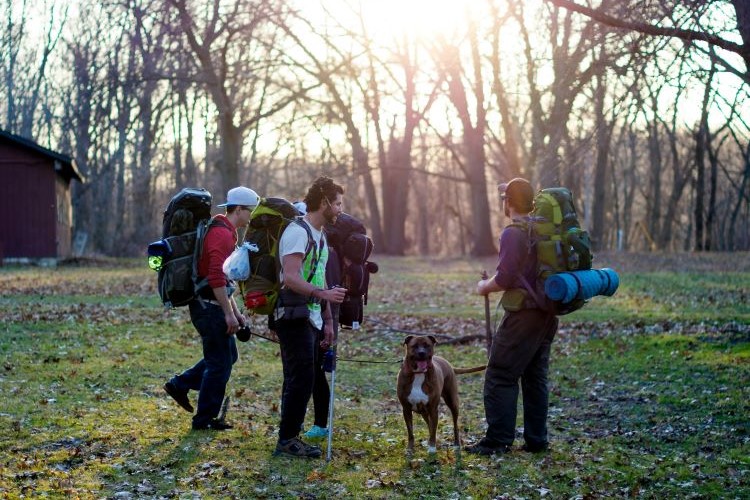
With any of these wildlife encounters for your pet, the safest option is to take them to the vet immediately. The following are symptoms to watch for and indications that emergency veterinary care is necessary:
- Skunk spray symptoms: Redness or swelling of the eye, temporary blindness; respiratory issues, such as coughing or difficulty breathing; nausea, drooling, or vomiting
- Porcupine quill symptoms: Swelling and bleeding at the puncture site; general pain (punctures on the face or near important organs are the riskiest ones)
- Snake bite dog symptoms: Weakness of the legs, lethargy, muscle twitching, or seizures; vomiting, frothing at the mouth, and bleeding of the gums or in urine; signs of shock, including pale gums or rapid heartbeat
Having access to pet insurance can come in handy in instances where your pup needs emergency care. A Trupanion dog insurance policy helps to pay for the cost of covered injuries, such as snake bite treatments, so that your budget is protected and your pup can get the immediate care they need.
Prevention tips for wildlife encounters on outdoor adventures
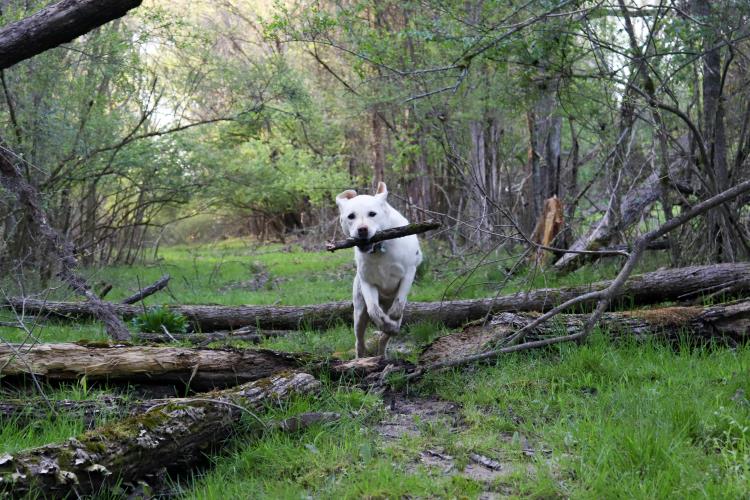
Depending on where you live, it's likely hard to avoid coming into contact with all wildlife, but there are some key strategies for limiting risky interactions. Follow these tips for preventing unwanted wildlife encounters with your pet:
- Skunks are most active at dawn and dusk, so watch your dog closely during early morning and evening walks to ensure that they don't frighten a nearby skunk.
- If you live in an area known to have porcupines, keep your dog leashed when near wooded areas and keep them from exploring rocky crevices or hollow trees (typical porcupine homes).
- Avoid tall grasses, and leash your pup if you're in snake territory. Regardless of whether you or your pup sees the snake first, you can pull them away quickly to avoid a risky interaction.
- Monitor your pup during backyard play if snakes, porcupines, or snakes are common in your neck of the woods.
- Keep your pet up to date on rabies vaccinations. Rabies shots won't keep your pet from encountering wild animals, but they will help protect your pet from infection.
Pet Insurance and cost considerations
Emergency care after wildlife encounters can be costly. A pet insurance policy that covers accidental injuries can help protect your budget while ensuring your dog gets prompt care.
For example, pet insurance can help pay for covered injury-related treatments, such as snake bite treatment, porcupine quill removal, or related emergency care.
Pet Parenting is the official dog and cat blog of Trupanion, a leader in the world of pet insurance. Here you’ll find useful dog and cat care tips, important veterinary insights, and an abundance of pet lifestyle topics. All of our articles are written by real humans with a love for pets, not AI. However, please note that the views expressed here are those of the individual authors and do not necessarily reflect those of Trupanion. Articles are reviewed by veterinarians for accuracy, but they are not a substitute for professional diagnosis and treatment. Always consult with your own pet’s veterinarian for advice.


