Ready to help treat your pet to a healthy life?
Can Your Dog or Cat be Vegan or Vegetarian?
By : Brianna Gunter | Published Sep 16, 2026
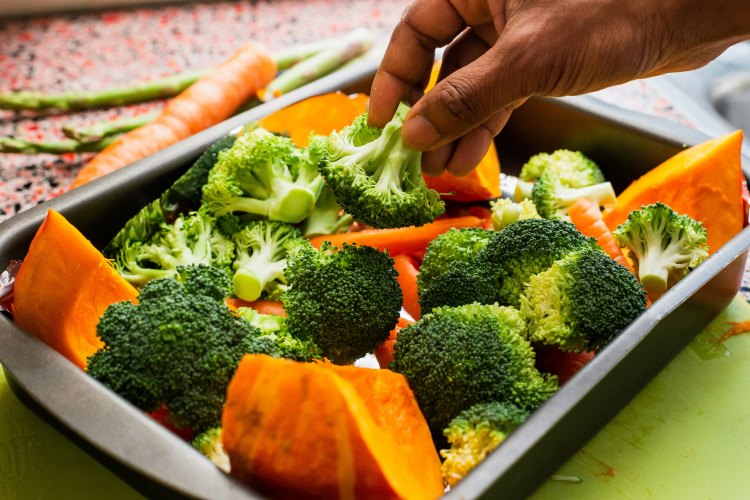
It’s estimated that about six percent of people in the United States are vegetarian, while another four percent are vegan. And, while these statistics seem small, they are growing, especially among younger generations. But if you’re a vegetarian or vegan who is also a pet parent, this could pose a moral dilemma. We’re often told that meat is an important part of a healthy diet for both dogs and cats, but is it possible for our pets to be healthy without eating meat, or any animal products for that matter?
Before you jump to any conclusions or make any decisions regarding your pet’s diet, it’s important to know the truth about their biology and the nutrients they need to survive. Talking to your pet’s veterinarian is important here, but, in the meantime, let’s shed some light on whether cats and dogs can be vegan or vegetarian and how to make an ethical decision for their health.
Pets and vegetarian diets: possible or not?
The honest truth? It is possible for dogs to be on vegetarian diets, though it’s not recommended. Cats, however, should never be vegetarian. We’ll dive deeper into what this really means for each species, but the good news is that this doesn’t mean your pet can’t eat any fruits or vegetables — they just shouldn’t only eat them. These items can provide some nutrition, but unlike you, neither dogs nor cats actually require them to live a healthy life. It’s important to know which fruits and veggies are okay for pets, as well as how to practice moderation.
Vegetarian diets for dogs
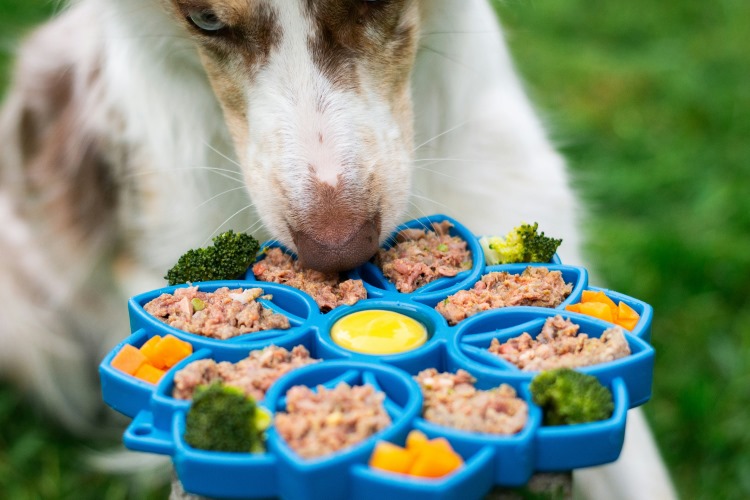
As mentioned, it’s possible — but not necessarily recommended — for your dog to be on a vegetarian-only diet. This is because, like humans, dogs are omnivores and can get nutrition from a variety of different sources. However, that doesn’t mean they can follow the same types of diets that humans can. Dogs may have a harder time getting all the nutrients they need from plants alone, as some of these essential nutrients are just found in higher quantities in meat.
Interestingly, however, there are some commercial meat-free foods for dogs (like Purina ProPlan HA Vegetarian, Royal Canin Vegetarian, Hill's i/d or Hill's i/d Sensitivity). Still, these are generally intended for dogs with food sensitivities or allergies and may not be appropriate for your pet.
If you have your heart set on it, only proceed after an open and honest conversation with your pet’s veterinarian. Let them know that you’re interested in putting your dog on a vegetarian diet, why you want to do so, and what your pet’s meals have been like up until now. Then, be willing to listen. Not all dogs can be put on vegetarian diets safely due to existing health issues. Even if your dog is perfectly healthy, your vet may have other concerns about your ability to put in the time and effort required to maintain a healthy vegetarian diet for them. They may also request that you try it out on a trial basis only, add supplements to their diet to help reduce risks, and bring your pet back for a check-up after a certain period of time. Whatever you do — and this really cannot be stressed enough — do not proceed with or continue a vegetarian diet for your dog without the approval and guidance of an experienced, licensed veterinarian.
What about dogs and veganism?
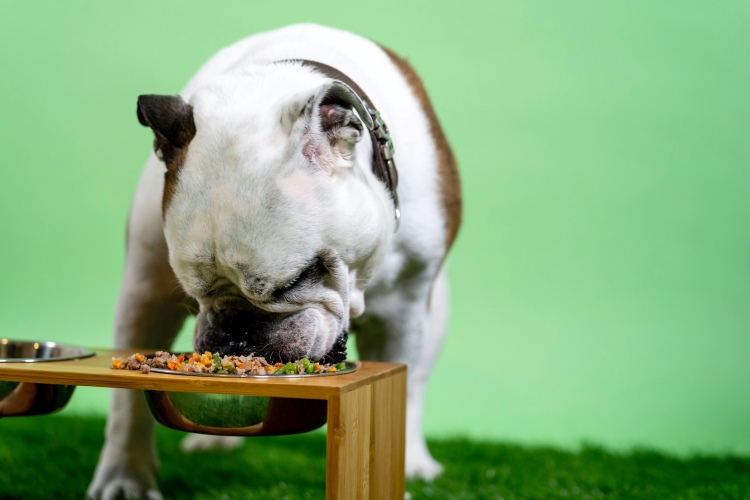
Like vegetarianism, veganism is not recommended for dogs. However, your veterinarian is likely to be even more against a vegan diet than a vegetarian one. The vegan lifestyle avoids all animal byproducts, which means you’d have to work very closely with your veterinarian and carefully monitor and calculate how to fulfill your dog’s protein, fatty acid, and vitamin needs from an exclusively plant diet. After only a couple months of a vegan diet, it’s possible your pup may develop poor skin and coat quality and you may need to feed them a larger volume of food to maintain their weight—all likely related to the lower presence of essential fatty acid and trace mineral contents and the relatively poor digestibility of vegan diets.
At the end of the day, the best way to support your dog’s health while also trying to honor your personal values may be to just reduce the amount of meat and/or animal byproducts in their diet rather than trying to eliminate it entirely.
Cats should never be vegetarian

Let’s repeat it all together: “cats should never be vegetarian diet.” Nope, not even a mostly plant diet. As discouraging as this may be if you’re following a strict vegetarian lifestyle yourself, the plain and simple truth is that cats are obligate carnivores. This means that their bodies physically require nutrients from other animals, as they cannot get what they need (like taurine) from plants alone, or even a diet that is just heavily plant-based.
While they can eat some fruits and veggies in addition to meat, cats evolved to survive on meat alone. This is reflected by their shorter, more compact digestive tracts that are designed to quickly extract nutrients from animal tissues. Cats also produce less amylase (a digestive enzyme made by the pancreas) than dogs and humans, which makes it difficult for them to break down plant starches. Plants meanwhile take considerably longer to digest and require different anatomy to properly process.
So, can a cat be vegan?
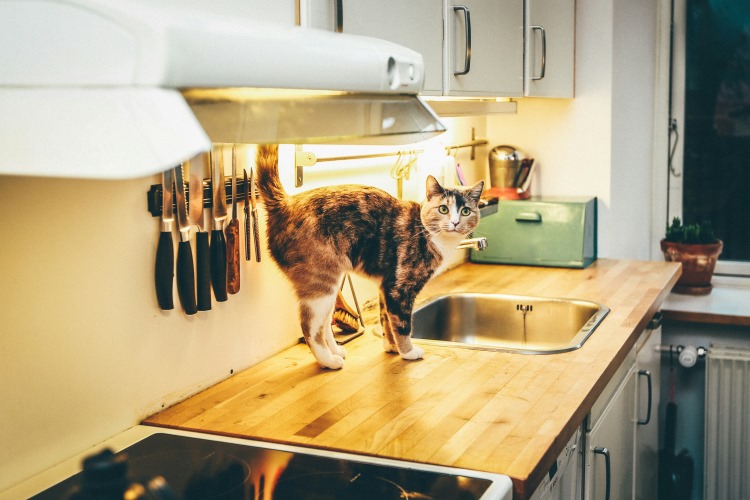
In case this wasn’t perfectly clear from reviewing a cat’s potential to be vegetarian, no, cats cannot be vegan either. They are obligate carnivores, and their bodies need animal proteins to both survive and thrive. Some cat owners believe that supplements can mitigate nutritional issues for cats on vegan and vegetarian diets, but there is a lack of evidence in this area, and keeping cats on supplements may not be safe long-term. A study in two cats in France fed vegan-based food ultimately resulted in the cats needing veterinary care due to lethargy, dyrexia, muscle wasting and progressive weight loss— their bloodwork showing the main abnormalities were anemia and folate.
But what about studies that support plant-based pet diets?
If you do a quick online search on the topic you might come across various sources that claim the opposite or even say that pets will do better on plant-based diets. But take caution relying on these. One study touted by multiple vegetarian news websites as supporting evidence for plant-based diets in dogs relied on online pet owner surveys rather than actual observation, for instance. Another review of plant-based diets for cats was similarly flawed, relying on owner questionnaires to reach its positive stance. Meanwhile, the American Veterinary Medical Association (AVMA) cites a lack of evidence for dogs being on vegetarian-only diets and states that cats should never be on them.
Mixing personal ethics with your pet’s food
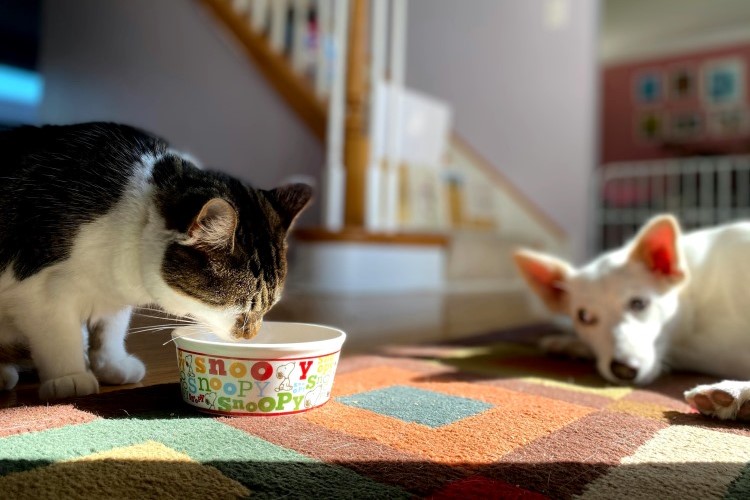
If you’re vegetarian or vegan for moral reasons, it’s perfectly understandable that you would want to avoid having meat (or animal byproducts, if that applies) in your home entirely. Naturally, it’s probably a bit upsetting to learn you may not be able to adhere to this rule when it comes to your pet’s food. After all, you don’t want to harm animals at all! But think of it this way: you would be causing your pet unnecessary health risks by intentionally avoiding the nutrients their biology requires for them to thrive. Furthermore, putting your pet on a vegetarian or vegan diet would be your personal choice, not theirs. So, isn’t it more ethical to stick with the kind of nutrients nature intended for them?
Obviously, making the decision to feed your pet the meat-based food they need can be easier said than done, especially if you’ve been vegetarian or vegan for a long time. This is why it’s a good idea to talk with their veterinarian for more information about your pet’s nutrition. By becoming more informed about the types of foods that are best for dogs and cats, you can make the best decision for your pet’s health and feel good about doing so.
Prioritizing your pet’s health
Evaluating your pet’s nutritional needs is an important part of taking care of them. But it’s only one aspect. Keep up with routine veterinary visits to ensure they’re staying healthy no matter what kind of food they’re on, and never hesitate to ask their vet questions about changes to their diet. While you’re at it, it’s also a good idea to sign up for pet medical insurance if you haven’t done so already. Pet insurance won’t pay for a vegetarian or vegan diet for your pet, but it can help cover unexpected veterinary costs as they arise. Learn more about what pet insurance covers and helping your pet live their healthiest life possible.
Pet Parenting is the official dog and cat blog of Trupanion, a leader in the world of pet insurance. Here you’ll find useful dog and cat care tips, important veterinary insights, and an abundance of pet lifestyle topics. All of our articles are written by real humans with a love for pets, not AI. However, please note that the views expressed here are those of the individual authors and do not necessarily reflect those of Trupanion. Articles are reviewed by veterinarians for accuracy, but they are not a substitute for professional diagnosis and treatment. Always consult with your own pet’s veterinarian for advice.


