Ready to help treat your pet to a healthy life?
Heatstroke in Cats: Signs and When to Seek Help
By : Kathleen Crampton | Published Sep 1, 2026
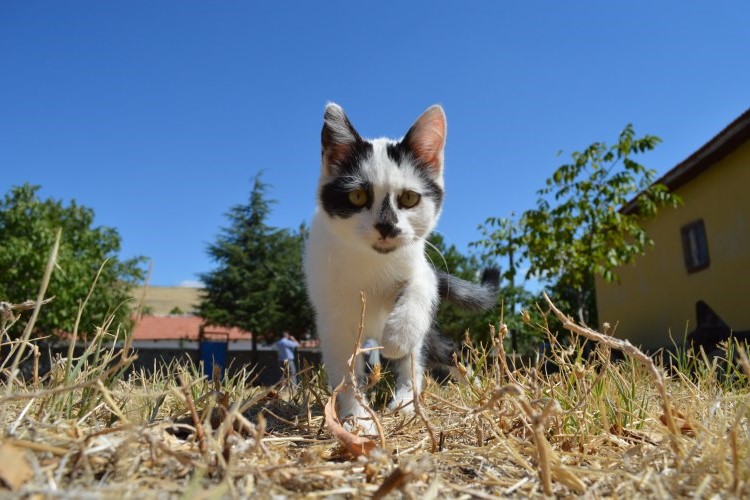
Is your cat panting in hot weather, breathing more rapidly than usual, or actively seeking out a cooler spot? These could be signs that your cat has heat exhaustion, or worse, developing heatstroke. Heatstroke in cats isn't just a summertime problem—although, it is one of the top summer tips for pet parents to know about. It can occur in other situations, too.
Learn the signs of heatstroke in cats, how it can differ from heat exhaustion, and what to do if your furry companion starts showing concerning symptoms.
Can cats get heatstroke?
Just like dogs, cats can get heatstroke. While humans have plenty of sweat glands to help us cool off, our furry pals don't have as many—their sweat glands are primarily located on their paw pads, which have much less surface area.
In addition to minimal sweating, cats regulate their body temperature by lying down on cool surfaces and grooming themselves. With grooming, they're spreading saliva across their coat, which then cools their coat and skin (mimicking the sweating process). They may also lightly pant but anything more than that is cause for concern, as cats typically don't pant like dogs do to cool down.
But sometimes the temperature is too hot and weather conditions too humid for their bodies to regulate effectively. In these cases, heatstroke in cats may occur if you're not monitoring your furry feline closely.
Cats at greater risk of heatstroke
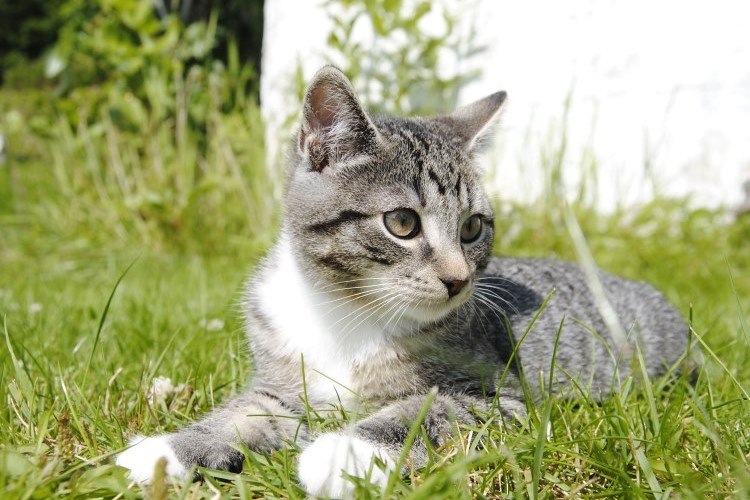
Cat heatstroke symptoms can happen with any feline, but some cats are more at risk than others:
- Brachycephalic breeds. These flat-faced kitties are adorable, but they may also suffer from breathing difficulties due to their short nasal passages, narrow airways, and elongated soft palate. Breathing challenges can make it harder to breathe to help them cool down, which could lead to these cats overheating.
- Kittens and seniors. Kittens and older cats may not be able to regulate body temperature as well as adult cats.
- Overweight cats. Cats that are overweight have more insulating fat layers, which can make them more prone to heatstroke compared to a cat at a healthy weight.
- Longhaired cats. Extra fur on your longhaired cat may contribute to them getting hotter than a shorthaired cat, as their longer coats can keep heat trapped in.
- Cats with certain health conditions. If your cat has heart or lung disease, they may be more at risk of heatstroke due to having a harder time breathing and perhaps poor circulation. Other medical conditions may make it more difficult for cats to regulate body temperature.
Is your cat too hot? Signs of overheating and heatstroke
Restlessness, seeking cool surfaces, rapid breathing or panting, drooling, sweaty paws, grooming, and lethargy.
Learning the symptoms of heat exhaustion and heatstroke can make all the difference in keeping your cat safe.
Early signs: Heat exhaustion in cats
Heat exhaustion is typically the stage before heatstroke, where your cat may exhibit the following signs:
- Rapid breathing
- Light panting
- Increased heart rate
- Lethargy
- Sweaty paws
- Excessive grooming
- Restlessness
- Light drooling
- Seeking cool surfaces, shade, and water
- Dark pink gums and tongue
Emergency signs of heatstroke in cats
Heatstroke in cats is an emergency situation. Your cat will likely show more serious, life-threatening symptoms than the earlier stage of heat exhaustion:
- Excessive panting
- Excessive drooling
- Rapid heart rate
- Red gums
- Vomiting
- Diarrhea
- Weakness
- Small, pinpoint bruises on their belly or gums (called "petechiae")
- Disorientation/confusion
- Collapse
- Seizures
- Unconsciousness
What to do (and not to do) if you think your cat has heatstroke
Knowing how to cool down a cat is something that every pet parent should strive for. You never know when your furry little pal might be in this situation. If you think your cat has heat exhaustion or heatstroke, immediately do the following:
- Move to a cooler area, preferably one that is air conditioned or at least shaded.
- Give them cool water to drink, but don't force them to drink.
- Begin controlled cooling by applying room-temperature or cool, wet cloths to their paws, ears, and belly. Make sure that the cloth is not ice cold.
- Place them in front of a fan to promote ventilation.
- Take your cat's rectal temperature, if possible. This will provide the vet with more information about the current state of your cat's temperature. (For reference, a body temp above 102.5 degrees Fahrenheit is considered dangerous for your cat.)
- Call your veterinarian. Your vet may recommend other at-home treatments over the phone as you prepare to leave to get professional care.
What not to do
When treating your cat at home before leaving for the vet, never put them in an ice bath, apply ice-cold cloths to their body, or force them to drink water. Water that's too cold can force their body into a state of shock. Additionally, never give your pet human medication. In fact, you don't want to give them any medication—even something pet-safe—until you speak with the vet.
It's crucial to call your vet as soon as possible if you notice signs of heat exhaustion or heatstroke. Don't wait to see if symptoms resolve, as heat exhaustion symptoms can quickly lead to heatstroke, which is life-threatening. Always seek professional care, whether that's heading to your veterinarian's office or a local emergency pet clinic.
How veterinarians treat heatstroke
When you get to the vet, they will likely start actively cooling your cat, with cool cloths or ice packs. They may give your cat IV fluids and/or oxygen to help counteract shock and avoid internal organ damage. All the while, your vet will monitor your cat's temperature to ensure that it returns to a healthy number as well as monitor for internal organ damage.
Other potential treatments, depending on severity, could include glucose, electrolytes, medications, antibiotics, or plasma transfusions.
How to prevent heatstroke in cats
Preventing heatstroke in cats is possible as long as you pay attention to your furry pal's surroundings and ensure that the space and temperature is safe. Here are some tips for keeping your cat's temperature within normal range:
- Ensure that their living space is well-ventilated and has ample cooling areas.
- Give them easy access to their water bowl.
- When traveling with your cat, make sure that the car is adequately cool—and never leave them in the car unsupervised. When traveling by plane, keep your cat with you in the cabin (in their cozy carrier, of course).
- If they have access to a safe outdoor space, always check the outside temperature and humidity (high levels of humidity can make it more difficult for cats to regulate body temp) before letting them go out.
- Monitor your cat's access to other areas of the house or property, such as garages, sheds, add-on rooms, and so on—as many of these types of spaces don't have temperature control or could be poorly ventilated.
Keeping your cat healthy and safe is paramount. That's why Trupanion offers coverage for many illnesses, accidents, and injuries—so that your furry companion can get the treatment they need to get back to their happy, thriving selves. Learn more about Trupanion cat insurance.
Pet Parenting is the official dog and cat blog of Trupanion, a leader in the world of pet insurance. Here you’ll find useful dog and cat care tips, important veterinary insights, and an abundance of pet lifestyle topics. All of our articles are written by real humans with a love for pets, not AI. However, please note that the views expressed here are those of the individual authors and do not necessarily reflect those of Trupanion. Articles are reviewed by veterinarians for accuracy, but they are not a substitute for professional diagnosis and treatment. Always consult with your own pet’s veterinarian for advice.


