Ready to help treat your pet to a healthy life?
How to Socialize a Dog the Right Way
By : Kathleen Crampton | Published Sep 15, 2026
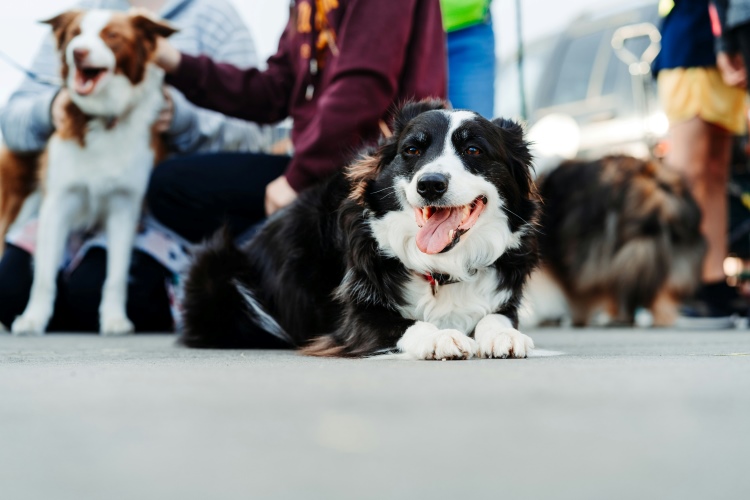
Teaching your dog to live in the world—and specifically, your world—comfortably is an important part of being a pet parent. After all, you want the freedom to be in various situations with your dog without worrying how they'll react, and you want your dog to live as stress-free and confidently as possible. That's why learning how to socialize a dog is key to their well-being and your life together.
In this guide, learn more about dog socialization and why it matters, get a clear step-by-step checklist of socializing your pup, and understand the challenges that might pop up along the way. With these tips, you'll be able to approach the process with patience, confidence, and positivity.
Understanding dog socialization
Dog socialization is the process of introducing your dog to new sights, sounds, smells, people, situations, and other animals—to help them become calm, confident, resilient pups. The American Veterinary Medical Association describes it as a gradual exposure that includes "a broad range of positive experiences in the types of environments your pet is likely to encounter throughout their life."
Socialization is super important for a dog's well-being, as it can prevent future unwanted behaviors, reduce their anxiety and fear, and instill an adaptable mindset. It's a learning experience that will benefit your pup from puppyhood through their golden years.
It's important to note that socialization doesn't necessarily mean that you're training your dog to be a socialite, meeting everyone and everything with exuberance. While some dogs may naturally have this type of personality, the goal of socialization is to help pups remain calm and confident in various situations and interactions.
When to start socializing your dog
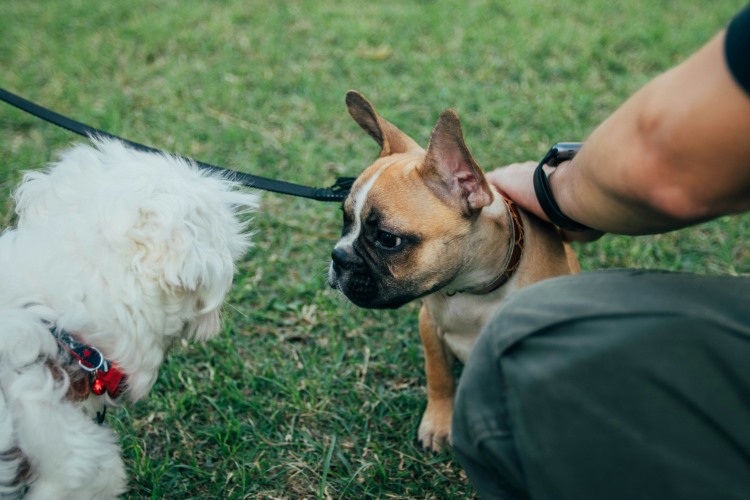
Beginning at around 3 weeks old, puppies can begin to be formally socialized. Considering that you typically can't bring home a puppy until they're about 8 weeks old, much of this training happens with the breeder. The crucial time frame for puppy socialization is between 3 weeks and 20 weeks old, during which time they interact with their mother and siblings, meet more people, are introduced to vaccinated and well-behaved dogs in controlled meetups, and get exposed to various sights, sounds, and smells.
While this early socialization period is important to set a dog up for success, the unfortunate fact is that not all pups receive this exposure at a young age. If you adopt an adult dog who doesn't seem to have had much socialization, you can still help them through the process—it may just take longer, and progress may be slow.
Here are some tips for socializing an adult dog:
- Build trust. Start by building trust with your pup through basic training, if they need it. Positive reinforcement can develop a bond between pet parents and their dogs.
- Start small. Don't overwhelm your dog with too many new things. After all, their new home and surroundings are a lot to take in! Focus on one step at a time, perhaps starting by helping them to not react to a mail delivery person or remain calm on short walks around the neighborhood.
- Be patient. Adult dogs can take longer to learn new tricks, so don't be surprised or frustrated that socialization techniques are taking longer than you had thought. Read your dog's body language and pivot, if needed, to minimize aggressive or anxious behavior.
- Align your expectations with your dog's temperament. Despite your best intentions, some dogs might not be able to handle anything and everything with ease. It's important to set realistic expectations and celebrate the wins. Don't force interactions or new experiences if your dog isn't ready.
How to socialize a dog: Step by step
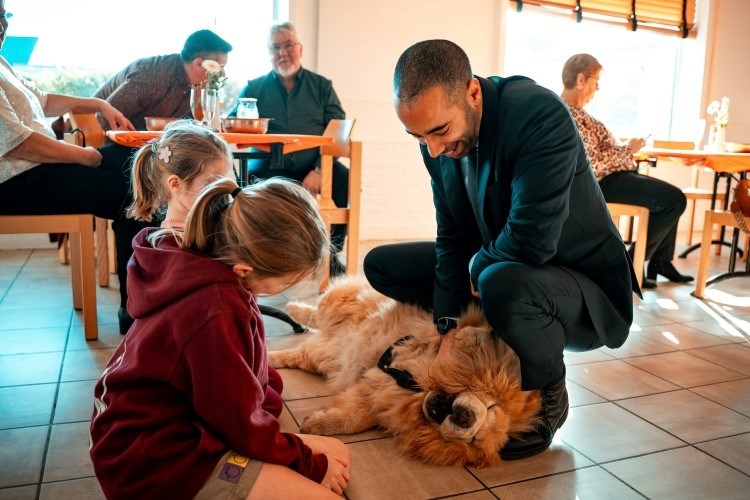
When you bring your puppy home, they have hopefully already had some socialization. Now it's your job to help them thrive in their new environment and set them up for lifelong success. Here's your complete dog socialization checklist:
- Introduce them to new sounds. When your dog is calm, that's your time to turn on appliances around the house, such as the vacuum, dishwasher, coffee grinder, hair dryer, etc.
- Introduce them to new people. Invite friends and family over, ideally starting with one or two adults, then gradually progressing to groups of people over time. Have the visitor knock on the door, so that your dog can get used to that sound, too, in a controlled environment.
- Introduce your pup to other dogs and animals. Ask a friend with a friendly, well-behaved dog to come over and meet your pup. Until your dog is fully vaccinated, avoid areas where unknown dogs may be. Doggy meetups should only be with vaccinated pups.
- Expose them to new places. Once they're fully vaccinated, take your dog to new areas so that they can explore. Take them on walks around the neighborhood, hike a local trail, visit a local park, and pop into a pet store. Practice leash training in these situations. Try to limit these to spaces where there aren't lots of other dogs in one area, like dog parks. Once your dog is well-socialized and responds to your cues, then you can try a dog park.
- Help them adapt to new situations. Your dog should be able to adapt to various situations, like car rides, visiting the groomer, or staying by your side at an outdoor cafe. Exposure and positive reinforcement are key, but be sure to maintain all obedience training along the way, too. This is also a great time to train your dog how to be alone to avoid separation anxiety.
- Take them to puppy classes. Puppy classes can be a great way to not only get in-person tips on how to socialize a dog but also to expose them to a variety of experiences and pups in a safe and controlled environment. Make sure that the classes you choose involve puppy playtime, exposure to noises, and general obedience training.
- Use positive reinforcement. Always reward good behavior, such as staying calm or reacting in a positive or neutral manner. Redirect negative behaviors.
Common challenges of dog socialization (with solutions)
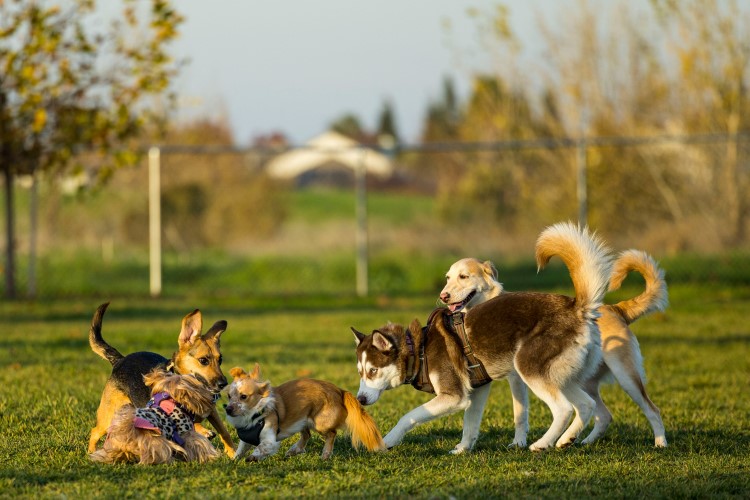
As with any type of pet training, there are likely to be challenges along the way. The following are some potential issues you might encounter when socializing your furry pal:
- Your dog is reactive. If your pup is growling, lunging, or exhibiting other reactive/aggressive behaviors, they've likely reached their threshold of tolerance. In these cases, remove them from the trigger. Then, reward them once they've calmed. The next time the trigger is present, pair it with a high-value treat so that your dog can begin to associate the trigger with something positive.
- Your dog is shy or fearful. Determine the distance, level of intensity, or duration at which your pup becomes fearful. Work on exposing them to the trigger by gradually shortening the distance, increasing the intensity (such as with sounds), or increasing the length of time. Be patient, ensure that you start exposing them when they're calm, and go back to easier thresholds if your dog exhibits fearful behavior.
- Your dog is overexcited. Overexcitement can lead to unwanted behaviors, like pulling on a leash, jumping on you or other people, or an inability to settle down. If this behavior happens with you, try turning away from your dog and telling them to sit. This action ignores their negative behavior and redirects them to a desired behavior. Reward them for sitting and staying. With overexcitement around other people, train your dog to go to their special "place" (like a dog bed) when people arrive, take them to another room if they're too excited, and always remain calm.
When to get professional help
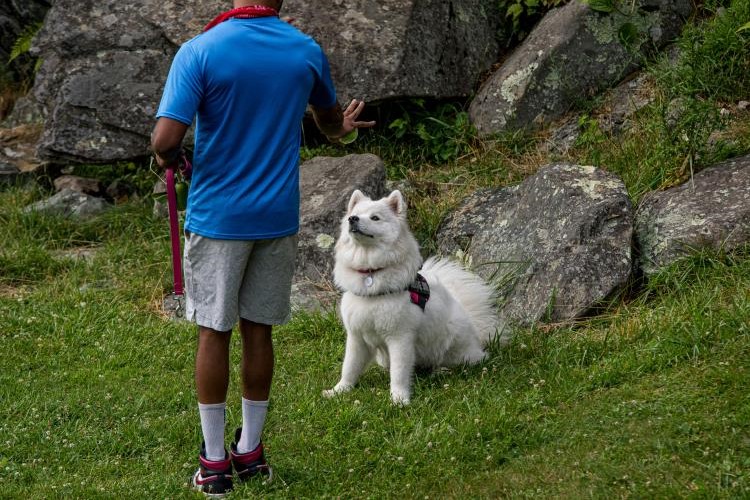
Learning how to socialize a dog might not be easy, but it is extremely rewarding for you and your pet. You likely understand that there will be ups and downs along the way, but how do you know when it's time to get professional help?
If your pup has a history of biting, has ongoing aggressive behavior, can't recover after being exposed to their triggers, has trouble with basic commands, or has otherwise destructive behavior, it might be time to call a professional who has the expertise to guide your dog toward positive behaviors. Here's what to look for in a professional trainer:
- Practices reward-based training
- Provides both one-on-one and small-group training
- Offers a structured plan specific to your pup
In addition to professional help, take a look at Trupanion's Pet Parenting blog for specific training tips and care guides to help your dog thrive. We also offer comprehensive dog insurance to protect your pup and your budget.
FAQs about how to socialize a dog
When should I start socializing my puppy?
According to the Animal Humane Society, the best time to socialize a puppy is between 3 weeks old and 20 weeks old. This critical time frame is when they should be exposed to new sights, sounds, smells, and people to help them learn how to be comfortable around the unfamiliar.
Can I socialize before fully vaccinated?
Yes, you can—and should—socialize a dog before they're fully vaccinated in a safe and controlled environment. You can take your dog out in public in a stroller or while holding them, introduce them to new people, and schedule puppy play dates with vaccinated and well-behaved pups.
Do I need dog parks to socialize?
No, you don't necessarily need dog parks to socialize. Many dog behavioralists and trainers debate about socialization vs. dog parks. On one hand, dog parks offer a safe, fenced-in area for your dog to play, burn off energy, and interact with other pups. But on the other hand, dog parks can be overwhelming to certain dogs, may introduce health risks, and you don't have control over other people's pets, potentially leading to negative interactions and unwanted behavior.
Socialization alternatives to dog parks could be smaller dog play groups, one-on-one dog meetups, or dog training classes.
How do I socialize a reactive dog safely?
To socialize a reactive dog safely, take time to understand their triggers. Then, gradually increase the duration and intensity of the trigger, rewarding your dog for calm behavior. If you notice that your dog is beginning to become stressed, lessen the duration and intensity of the trigger or remove them from the situation, allowing them to calm down.
If, after consistent socializing and training, your dog continues to exhibit reactive behavior, it's a good idea to call your vet and/or a professional trainer.
How long does socialization take?
The amount of time it takes to socialize a dog depends on your pup, but the crucial time period is between 3 and 20 weeks old. However, it's important to continue socialization into a dog's adolescence and adulthood. Your dog's specific temperament may affect how long it takes to become socialized.
What if my dog is scared of strangers?
If your dog is scared of strangers, you can help build their confidence by first training them to be in the vicinity of other people without reacting, such as at an uncrowded park. As strangers pass by at a distance, give your dog a treat. Exposure and positive reinforcement helps to desensitize them and counter condition them to the trigger.
As your dog gets more comfortable around people at a distance, gradually introduce them to situations where they may be in closer contact with people, such as having a visitor over to the house. Remember to watch out for signs of stress in your pup and keep the interaction or situation below their trigger threshold.
Pet Parenting is the official dog and cat blog of Trupanion, a leader in the world of pet insurance. Here you’ll find useful dog and cat care tips, important veterinary insights, and an abundance of pet lifestyle topics. All of our articles are written by real humans with a love for pets, not AI. However, please note that the views expressed here are those of the individual authors and do not necessarily reflect those of Trupanion. Articles are reviewed by veterinarians for accuracy, but they are not a substitute for professional diagnosis and treatment. Always consult with your own pet’s veterinarian for advice.


