Ready to help treat your pet to a healthy life?
Manx: A Cat Breed Guide
By : Kathleen Crampton | Published Jul 22, 2026
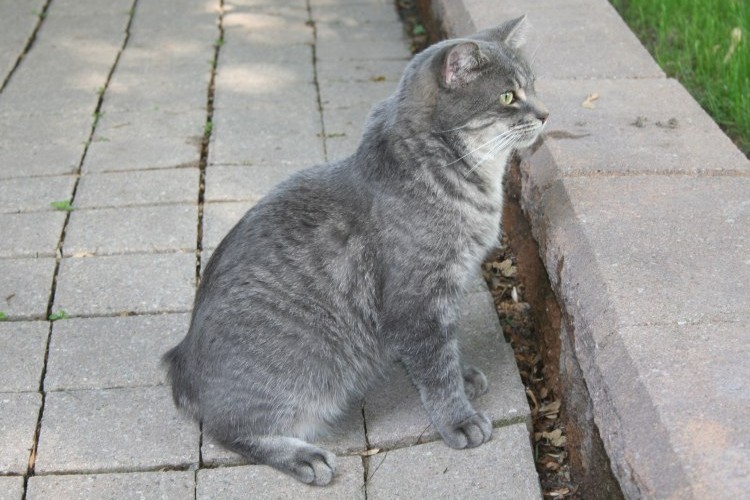
Lovingly referred to as "furry bowling balls," Manx cats have that sweet round face, round body, and round rump that give the breed its charming look. Their unique build, loving and curious personality, and knack for catching wayward insects at home make Manx a desirable addition to any household. But is the Manx cat breed right for you?
Learn all the details of Manx cats, from their breed history to how to care for them and even potential health issues to watch out for. When it's time to bring home a new kitty, the Manx might be the furry feline you're looking for.
Meet the Manx cat
Before we get into the specifics of the breed, discover some interesting facts about Manx cats:
- In the Goidelic Celtic language, the word "Manx" translates to "from the Isle of Man," which is how—and where—the breed got its name.
- The Isle of Man features the Manx cat on some of its currency, highlighting the breed as a national symbol.
- In 1984, Koko the gorilla (famous in the 1970s and 1980s for her communication skills) bonded with a pet Manx cat named "All Ball."
- Manx cats, although stocky in build, are agile and fast and able to leap to impressive heights, thanks to their strong hind legs.
- Other tailless or short-tailed cat breeds include the Japanese Bobtail, American Bobtail, and Kurilian Bobtail.
Manx cat breed facts
Life span | 10-16+ years |
Size | Small to medium: 8–14 pounds (3.62–6.35 kg) |
Coat type | Thick, plush double coat; long-haired and short-haired |
Temperament | Affectionate, loyal, "dog-like," gentle, talkative |
Ideal household | Great for households with children and pets, where they'll be mentally stimulated |
Potential health concerns | Manx syndrome, arthritis, feline obesity |
Manx breed history and origin
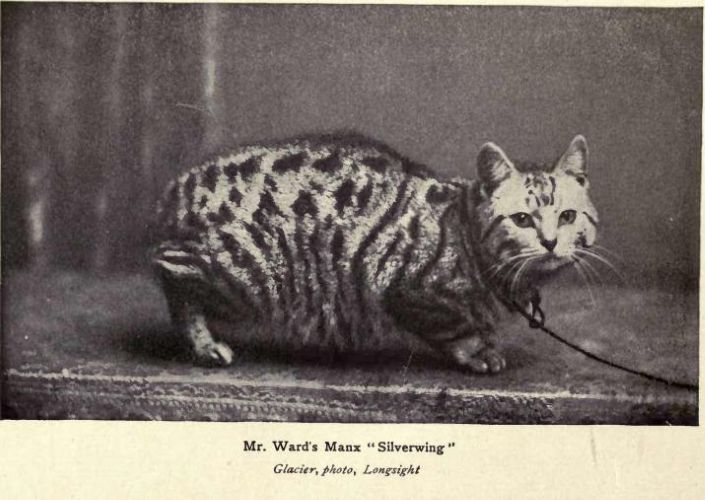
While some sources claim recordings of the Manx cat in the 1600s and 1700s, it's difficult to pinpoint these recordings. However, later, in the 1800s, Manx were discussed in artwork and reference works.
While the exact time frame of the Manx's rise to notoriety might not be clear, what is agreed upon is where they're from. The first known origin of the Manx cats was on the Isle of Man, a small island situated in the Irish Sea between the United Kingdom and Ireland. (The word "Manx" is used as an adjective to describe the people, culture, or anything originating from the Isle of Man.) It's assumed that these cats arrived on the island on Viking ships, having served as companions and rodent hunters on sea journeys. Manx then easily transitioned into their roles hunting rodents for farmers on the Isle of Man. They were affectionately called "stubbins" for their lack of tail or short stump.
Manx are one of the first cats to appear at formal cat fanciers' shows in England, with appearances beginning in the late 1800s. The breed was included in The Cat Fanciers' Association's (CFA) first registry in 1906.
Manx personality and temperament
Manx cats are playful little furballs, known to readily participate in a game of fetch, spontaneously zoom around the room, and initiate playtime with their toys of choice. For this reason, Manx are one of the breeds described as "dog-like" because they love to interact with their favorite humans. (Another dog-like cat breed is the Devon Rex.)
Given the stockiness of the Manx build, many pet parents are surprised at how agile their Manx is. These kitties satisfy their curiosity in whatever way needed, whether that's using their strong hind legs to jump to great heights, pouncing at an insect or rodent, or sprinting around the house in a sudden burst of energy.
But mixed in with playtime is ample lounging. Manx are considered a very gentle and docile breed, opting for peace instead of lashing out—even with young children and other pets in the home. The breed is very affectionate once they feel safe, often favoring one pet parent over another. But no matter what, Manx are sure to love and cuddle with any trusted member of the household.
Manx appearance and coat characteristics
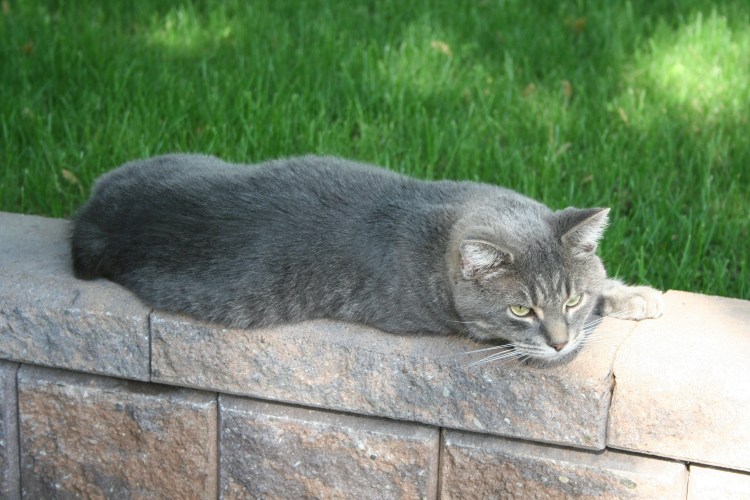
Manx are instantly recognized by their tailless (or partly tailless) behinds, which lend to their adorable, rounded look. Although they're known for a lack of tail, there are several types of Manx, depending on genetics and breeding:
- Rumpy: Completely tailless
- Rumpy Riser: Small knob on their rump that may rise when being pet
- Stumpy: Stumpy, partial tail
- Tailed (or Longy): Long, standard tail
Taillessness is due to a genetic mutation that causes a lack of development of a tail and the spinal vertebrae where the tail would start. Most Manx carry a dominant mutant gene, but that doesn't mean that all Manx kittens will be tailless. When a tailless and full-tailed Manx are bred, they can produce litters with any variety of tail. This combination is the standard for safe breeding programs, according to the CFA. However, when two tailless Manx reproduce, this would likely result in a completely tailless litter and may also lead to spinal issues in some of the kittens (we'll discuss Manx health issues later).
Typically, only tailless varieties are accepted by the CFA, The International Cat Association (TICA), and England's The Governing Council of the Cat Fancy.
The Manx's body type:
- Height: 7–9 inches (17.78–22.86 cm)
- Weight: 8–14 pounds (3.62–6.35 kg)
- Build: Small to medium size; round, stocky body; thick, muscular legs; rump is often higher than the rest of the body
As far as coat types go, you'll find either long-haired or short-haired Manx. Both have double coats, with a plush underlayer and coarse guard hairs. Colorings can range greatly, with most colors and patterns accepted by registries, such as black, brown, cinnamon, red, silver, cream, and more.
Did You Know? Long-haired Manx are known as Cymrics. While identical other than their coat lengths, some organizations consider them separate breeds. However, the CFA and TICA accept both varieties in their registries.
Manx grooming needs
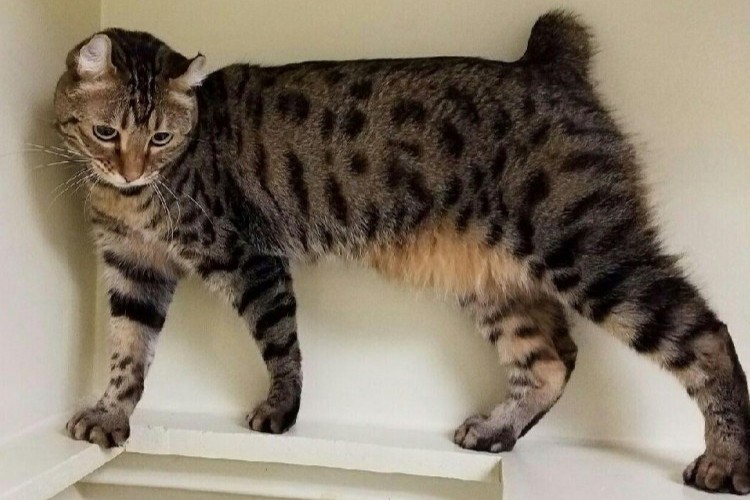
As with any cat you bring home, there are grooming tasks to keep in mind. Here's how to care for your Manx:
- Comb or brush them at least once weekly. Although long-haired Manx have plush coats, the fur doesn't tend to get matted, so brushing or combing once a week should suffice. Short-haired Manx can be brushed or combed every few weeks. You may need to increase the number of brushing sessions during shedding seasons.
- Check their ears. It's not as common for Manx cats to get ear infections as often as breeds with folded or heavily haired ears, but all cats may be susceptible. Add an ear check to your routine, perhaps during your brushing/combing sessions. Check for any redness, inflammation, discharge, or odor.
- Trim their nails. It's important to trim your cat's nails every few weeks to prevent their claws from growing too long. You can also provide your Manx with a scratching pole or wall to help them wear down their nails naturally.
- Brush their teeth. Yes, you need to brush your cat's teeth. While daily brushing is optimal, the VCA Animal Hospitals' minimum recommendation is three times per week. Only use a vet-approved toothpaste for your cat's teeth.
Potential health issues in Manx cats
While the breed overall is generally healthy, some Manx cats may be more prone to certain health issues than others:
- Manx syndrome: This is a term used for a collection of health issues stemming from the gene mutation that causes taillessness in Manx. Some cats are unaffected other than having a shortened or no tail. But in other cats, the mutation can lead to underdevelopment of the spinal cord. Manx syndrome, formally called sacrocaudal dysgenesis, can cause a range of issues, such as a wobbly or "hopping" gait, incontinence, and physical weakness or a lack of sensation in the hind legs and rear end.
- Arthritis: Some tailless Manx may develop arthritis in the area near where their tail bones are underdeveloped. And as with any other cat breed, they may be at risk of developing generalized arthritis in other areas of the body due to aging or natural wear and tear on the joints.
- Feline obesity: Their short, stocky build and love of cuddle time can lead to Manx becoming overweight or obese. Although the breed is playful, they may put on extra weight if their pet parents don't provide enough exercise or feed them a healthy diet.
Just because Manx, especially tailless varieties, may be predisposed to certain health issues doesn't mean that they will develop them. Many cats of this breed live long, healthy lives without ever experiencing these issues. If you do notice any abnormal signs or symptoms, schedule a visit to your veterinarian.
Is a Manx right for you?
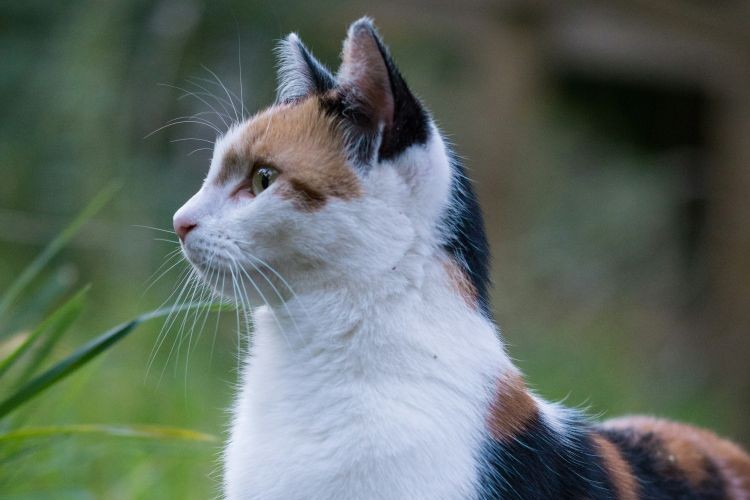
Now that you know all about Manx personalities, grooming and care needs, and potential health issues, you're likely wondering, "Should I get a Manx cat?" The answer depends on your preferences, household, and lifestyle.
As affectionate and loyal furry housemates, Manx can be the perfect addition to any home. But pet parents need to remember that Manx require ample mental stimulation and physical exercise to satisfy their energy and intellectual needs as well as maintain proper weight. Providing them with enough toys, a play space, scratchers, and even a catio can help your Manx stay mentally and physically active. Households with kids and even other pets would also be a good fit.
Pet insurance for Manx cats
With a breed as curious as the Manx, it's a good idea to have cat insurance in case they get into any mischief. Right when you bring your Manx home, sign up for a Trupanion pet insurance policy. This can help pay for the cost of covered treatments for hereditary and breed-specific conditions, allergies, unexpected injuries and illnesses, hospital stays, and more.
Pet Parenting is the official dog and cat blog of Trupanion, a leader in the world of pet insurance. Here you’ll find useful dog and cat care tips, important veterinary insights, and an abundance of pet lifestyle topics. All of our articles are written by real humans with a love for pets, not AI. However, please note that the views expressed here are those of the individual authors and do not necessarily reflect those of Trupanion. Articles are reviewed by veterinarians for accuracy, but they are not a substitute for professional diagnosis and treatment. Always consult with your own pet’s veterinarian for advice.


