Ready to help treat your pet to a healthy life?
Wildfire Smoke and Pets - Symptoms, Safety Tips, and Evacuation Planning
By : Nikki Edwards | Published Aug 26, 2026
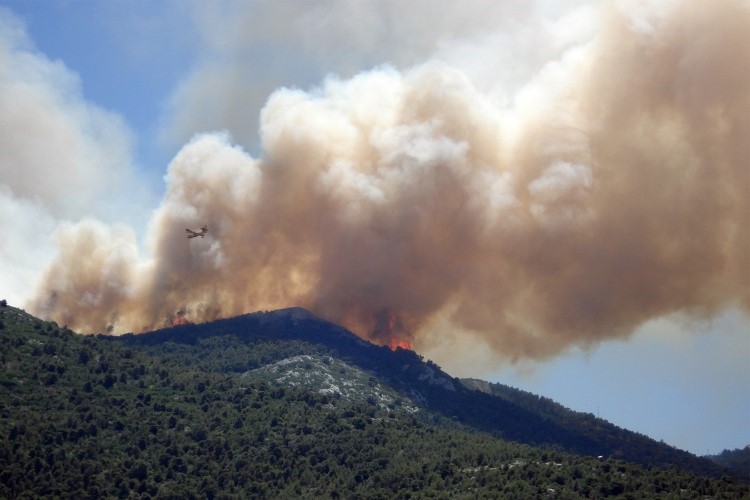
If the air outside smells like a campfire, bring your pets inside and keep them there, and close the windows and doors. If the house starts warming up with everything shut, run the air conditioning on recirculate if you have it, or move everyone into the coolest room in the house, since heat is its own danger on a smoky day. Check the water bowls more often than usual, because staying hydrated helps a pet whose throat and airways are irritated. The walk will have to wait, and bathroom trips should be quick ones only.
Can wildfire smoke affect dogs and cats?
Absolutely. Smoke carries fine particles and other irritants that settle into the eyes, nose, throat, and airways, and a pet breathing that air takes in more of it than we tend to realize. None of this requires a visible flame nearby, since smoke travels hundreds of miles from where it started.
The EPA states that if you feel the effects of smoke, your pets probably do too. The agency also notes that smoke and heat together are harder on the body than either one alone, and that animals who are older, younger, pregnant, or living with heart or lung disease should be watched closely whenever air quality is poor.
Which pets are most at risk during wildfire season?
Dogs and cats living with asthma, heart disease, or another respiratory condition feel the effects of smoke first and feel it hardest, and the same is true for senior pets, puppies and kittens, pregnant animals, and anyone recovering from illness or surgery.
Flat-faced dogs should be watched especially closely. The EPA advises extra caution for short-nosed breeds like Pugs, Bulldogs, and French Bulldogs, whose airways are already working harder than most on a clear day, and smoke and heat add to the difficulty.
Signs of wildfire smoke exposure in dogs and cats

Common signs in both dogs and cats
Smoke exposure usually arrives as something small and slightly off, which is why knowing the signs ahead of time is so important.
- Coughing or gagging
- Rapid, noisy, or difficult breathing
- Red or watery eyes
- Nasal discharge
- An irritated mouth or throat, or reluctance to eat hard food
- Excessive panting
- Reduced appetite or thirst
- Weakness or unusual fatigue
- Disorientation, stumbling, or an uneven gait
Contact your veterinarian if you notice any of these, and keep watching even if your pet seems fine. A pet who was near a fire can be carrying irritation in their lungs while still finishing dinner and acting normally.
Signs that may be easier to miss in cats
Cats are better than dogs at hiding discomfort, so it can be harder to realize they are in danger. A cat in trouble may become much quieter and less active than usual, turn restless, or disappear under the bed and stay there. Watch for drooling, for food left untouched, and for damp paw prints, which appear because cats sweat through their paw pads when they are stressed or overheated. A cat stretched flat on the coolest tile in the house may be trying to bring her temperature down, which matters more on a smoky day than it would on an ordinary hot afternoon.
Open-mouth breathing or panting in a cat is never normal and should always be taken seriously, particularly when smoke or heat is involved. Cats do not pant the way dogs do, so if you see your cat breathe with her mouth open, call your veterinarian right away.
When is wildfire smoke a veterinary emergency?
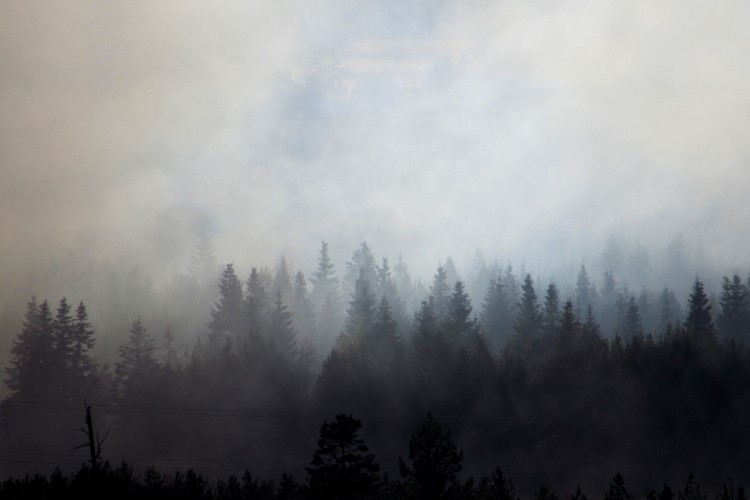
Seek emergency veterinary care immediately if your pet has:
- Labored or open-mouth breathing
- Gums that look blue, gray, unusually pale, or very dark
- Collapsed, or cannot stand
- Severe weakness or confusion
- Burns on the paws, face, coat, or body
- Been inside a burning or smoke-filled structure
- Coughing or gagging that will not stop
- Signs of heatstroke
If your pet was trapped near a fire or breathed concentrated smoke, do not spend the evening waiting to see whether it clears on its own. Veterinary guidance from Texas A&M makes the point that a pet can have dangerous smoke inhalation without a single visible burn, which means what you can see is not a reliable measure of what happened to his lungs.
How to protect pets from wildfire smoke
Keep dogs and cats indoors
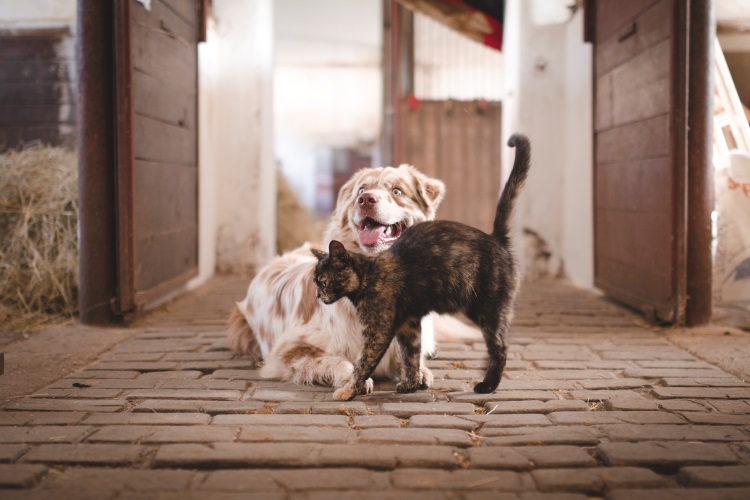
Cornell's Riney Canine Health Center recommends: keep dogs inside, keep doors and windows closed, limit outdoor time to bathroom breaks, and skip exercise until the air improves. A dog mid-run pulls far more air through his lungs than a dog lying on the kitchen floor, which on a smoky day can be dangerous.
Dogs can go outside when the air quality is poor, but only briefly and only for the bathroom, on leash so they don’t get a sudden case of the zoomies. Cats should stay in for the duration.
Improve indoor air quality
A portable air cleaner sized for the room it sits in will pull particles out of that room, and a high-efficiency HVAC filter helps if your system is built to take one. Many households turn a single room, often a bedroom, into the cleaner air room where everybody, including the pets , waits out the worst hours.
Air purifiers do help pets during wildfire smoke, though it is worth being clear about what they do. They reduce particles in the space where they are running, but do not make a house smoke-free. While the windows are shut, try not to add particles of your own. Candles, fireplaces, woodstoves, smoking, and vaping all put more smoke into the air you just worked to clean, and frying, broiling, and vacuuming are better saved for a clearer day. Watch the temperature too, because a closed-up house can heat up faster than you expect.
Keep pets cool and hydrated
Smoke and heat tend to arrive together, and the combination is harder on a pet than either alone. Keep water available everywhere your pet spends time and watch for heat signs as closely as you watch for coughing. Skip ice baths and other aggressive cooling if you suspect heatstroke, and get your pet to a veterinarian immediately rather than trying to bring the temperature down at home.
Check current air conditions
Before you open the door, check AirNow's Fire and Smoke Map along with your state or local air quality alerts and anything from local emergency management. Evacuation warnings and orders are likely on that list too, so please follow for your safety and the safety of your pets.
There is no official AQI number that marks the line for pets, because other factors must be taken into consideration such as species, age, breed, health history, temperature, and your dog’s activity level outside. Be sure to limit time outdoors as the air gets worse and follow your veterinarian's guidance for any pet with an existing condition.
How to prepare a pet wildfire evacuation plan
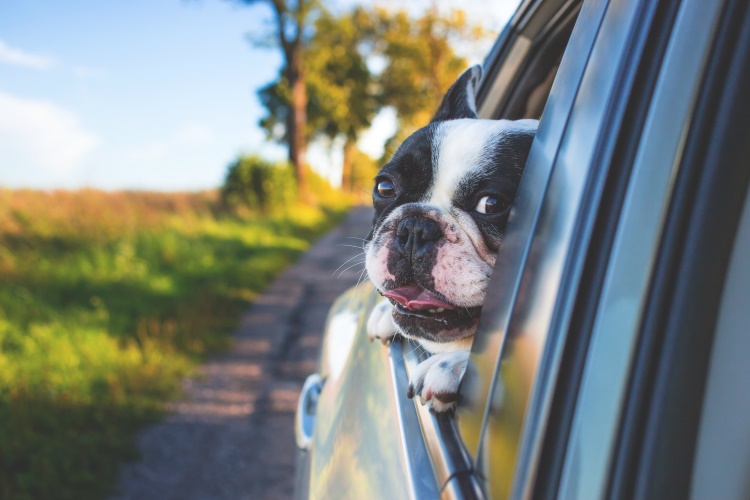
An evacuation plan is important to have built out ahead of time. If possible, map more than one route out of your neighborhood. Also,find out now which hotels, boarding facilities, friends, or family members will take your pets, because many evacuation centers cannot.
Evacuating with a cat who hides is a problem you can try to mitigate in advance by practicing. (Though keep in mind that no amount of “practicing” is going to stop your cat from hiding when they are stressed.) Leave the carrier out as ordinary furniture, feed treats inside it, and let your cat come and go on calm days.
Learn where each pet retreats when frightened so you are not checking under beds with minutes to spare, and keep dogs leashed any time you are leaving the house.
Line up a backup person who can get your pets out if the fire arrives while you are away from home. Put current contact information on every collar, confirm your microchip registration, and keep recent photos of each pet on your phone, as this is what you will need if you get separated.
What to put in a pet wildfire emergency kit
Pack for several days rather than one:
- Food and bottled water
- Bowls and a manual can opener (if applicable)
- Prescription medications in their original labeled containers
- Copies of veterinary and vaccination records
- Contact information for your veterinarian and the nearest emergency clinic
- A carrier for each cat and small dog
- Leashes, harnesses, and spare collars
- Waste bags, litter, and a portable litter tray
- Towels or blankets
- Basic pet first-aid supplies
- Recent photos and microchip information
- A familiar toy or comfort item
- Cleaning and sanitation supplies
Rotate prescriptions before they expire and keep them in their original containers so a veterinarian who has never met your pet knows instantly how to care for them.
How to help dogs and cats cope with evacuation stress
A displaced pet is not a well-behaved pet, and that is normal. Dogs and cats in unfamiliar places hide, vocalize, refuse food, try to bolt, and act defensively toward people they would ordinarily love. None of it means something is wrong with your pet; it means they are frightened.
Keep cats secured in their carriers and dogs leashed unless they are in a closed room and keep unfamiliar animals apart. Hold on to feeding and medication routines wherever you can and bring familiar bedding so at least one thing smells right. Remember, most frightened pets want space more than reassurance.
Ask your veterinarian in advance about safe anxiety management for your pet, and do not reach for human sedatives, over-the-counter sleep aids, essential oils, or any calming medication that was not prescribed for your pet.
Is wildfire ash dangerous to pets?
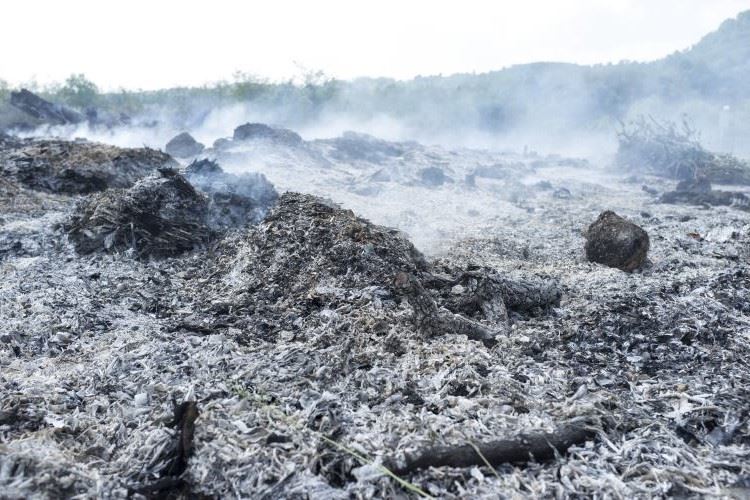
Ash irritates eyes, skin, paws, mouths, and airways, and debris left behind after a fire can hide broken glass, nails, and chemicals. Ash can hurt a dog's paws, since it is abrasive, often chemically irritating, and picked up by paw pads within a few steps.
Keep pets away from burned structures and debris altogether. After any trip outside that could not be avoided, wipe paws and exposed fur with a damp cloth before your dog licks their feet clean, and use plain water and pet-safe products if a bath is warranted. Call your veterinarian about eye irritation, burns, vomiting, or coughing.
What to do after returning home
Wait until authorities say it is safe to go back, then walk the yard yourself before anyone else does, looking for hot spots, broken glass, damaged fencing, spilled chemicals, ash, and wildlife that moved in while you were gone. Keep dogs leashed and cats indoors until you have a sense that things are safe and bring exercise back gradually.
Some symptoms take their time. UC Davis advises prompt veterinary care for smoke inhalation, burns, dehydration, and trauma, and recommends watching for behavior changes after a disaster, including hiding, aggression, and eating less. Coughing, fatigue, appetite changes, and labored breathing can all surface days after you are home, so call your veterinarian if something lingers or shows up late.
Pet Parenting is the official dog and cat blog of Trupanion, a leader in the world of pet insurance. Here you’ll find useful dog and cat care tips, important veterinary insights, and an abundance of pet lifestyle topics. All of our articles are written by real humans with a love for pets, not AI. However, please note that the views expressed here are those of the individual authors and do not necessarily reflect those of Trupanion. Articles are reviewed by veterinarians for accuracy, but they are not a substitute for professional diagnosis and treatment. Always consult with your own pet’s veterinarian for advice.


