Ready to help treat your pet to a healthy life?
Vet Checklist: What to Ask at Your Next Appointment
By : Kathleen Crampton | Published Jul 30, 2026
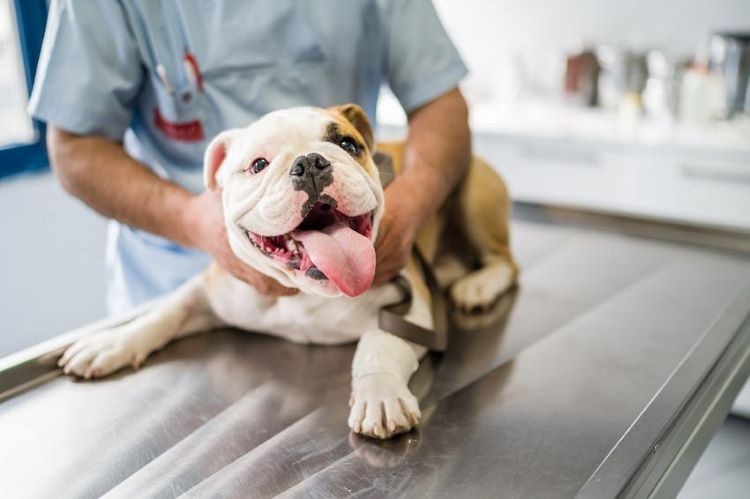
When routine checkups come around, pet parents likely have a lot on their mind. Perhaps their pet shows signs or symptoms that are concerning. Or maybe there are no changes in health, but the vet recommends preventative treatments. Before you head to the veterinarian, make sure you're prepared with questions to ask the vet at a checkup.
We'll cover everything from dog and cat vaccine questions to allergy questions and more. Consider this your vet checklist, filled with example questions and scenarios, to help you prepare for your upcoming visit with confidence.
Before the appointment: What to track
Don't go to the vet empty-handed. Of course, you'll have your pet and the following example questions in tow, but it's also important to come ready to identify and explain any signs or symptoms you've noticed lately with your pet. Here's what to monitor in the weeks leading up to your vet visit:
- Drastic or progressive changes in appetite, water intake, or urination
- Energy levels
- Physical symptoms, like hair loss, skin irritation, excessive/abnormal discharge or squinting, or gait issues (to name a few)
- Unintended weight gain or loss
- Behavioral changes, such as increased aggression or anxiety
Before heading to the vet, be sure to take note of any changes in their diet or any new medications your pet is on, including doses and when they were last given.
Vaccine questions

Staying up to date on your pet's vaccinations is crucial to protecting them from certain diseases. Vaccines are administered at scheduled intervals throughout their life, with more vaccinations occurring during their younger years. Here are some cat and dog vaccine questions to ask the vet at your checkup:
- What vaccines does my dog need this year?
- What vaccines does my cat need?
- My dog frequently goes to doggy daycare or dog parks. Are there any additional vaccines you recommend to protect them?
- I'm boarding my cat for a week while I go on vacation. Are there any additional vaccines you recommend to protect them?
- My pet is an outdoor enthusiast and spends a lot of time outside. Are there any shots they need to stay safe from other animals, plants, or environmental toxins?
- Do we still need to continue all the same vaccinations now that my pet is older/no longer goes to doggy daycare/is an indoor cat only?
Aside from core vaccinations, your vet may recommend non-core shots depending on your pet's lifestyle, age, and risk level. For example, for pets that go to boarding facilities, the vet will likely suggest non-core vaccines, like the canine parainfluenza virus shot for your dog or the bordetella vaccine for your cat.
When asking dog and cat vaccine questions, it's also important to consider any upcoming travel. If you'll be flying with your dog or cat, make sure to research airlines requirements ahead of time, and ask your vet for vaccine documentation to present to the airlines if needed. If you're not scheduled to see the vet soon, call the office and ask for vaccine documentation (a health certificate) so that you'll have it by the time travel day arrives.
Parasite prevention questions
From March to May, is prime time for ticks to be active. Ticks can carry Lyme disease, which can spread to your dog—and sometimes outdoor cats. If the ticks attach themselves to a nearby human, that person is at risk of becoming infected with Lyme disease.
But ticks aren't the only parasite to be worried about: fleas and heartworm are also concerns.
The following are some questions to ask your vet about flea, tick, and heartworm prevention and timing:
- When should we start flea and tick prevention? What flea and tick prevention do you recommend for my pet?
- My pet spends a lot of time outdoors. Are they more at risk of getting fleas and ticks?
- Are there topical solutions that can help, like flea collars, sprays, or shampoos?
- Is there a pet-safe garden or soil treatment I can use for flea prevention?
- I don't live in an area that's notorious for ticks. Does my pet still need tick prevention medication?
- How often should my pet take flea and tick medications?
- My pet has fleas. What additional treatment will help to get the infestation under control?
- Should my pet take heartworm prevention medication? If so, what do you recommend for my pet?
Weight and diet questions

Vet checkups are a great opportunity to ask questions about your pet's weight and diet. If you've noticed anything different in their eating patterns or seen them put on a couple of pounds, now's the time to bring up these issues to your vet. Come prepared to your visit with a description of your pet's current diet, how much of that diet they get daily, and how many and what types of treats you give them.
Here are some helpful diet and pet weight-check questions to ask:
- How do I know if my cat or dog is overweight?
- Lately, they've been eating more [or less] than usual. Is this normal?
- I've been exercising more with my dog. Is the amount of food I'm giving them still okay?
- My cat's physique has become more plump. Should I adjust her diet, provide more opportunities for playtime and exercise, or something else?
- Is it okay to continue giving my pet vet-approved treats?
- Based on my pet's health, are there any recommendations for vet-approved kibble and treats?
Your vet will take a closer look at your pet and provide guidance on how to mitigate any issues they see. For example, when assessing your dog, your vet may reference the body condition score for dogs, which provides guidance on healthy or unhealthy physiques using a scale system. If your pet is over- or underweight, the vet will look for any underlying issues, then create a treatment plan to get your furry companion back to their healthy selves again.
Seasonal allergies questions

Pet spring allergies can occur in dogs and cats depending on their lifestyle, with outdoor pets likely more at risk. As the weather starts to warm up, here are some cat and dog allergy questions for the vet:
- My pet is itching and scratching themselves. Do they have an allergy?
- I've noticed that my pet has extensive shedding and red, rashy skin. Is this a sign of allergies?
- If they do have allergies, what will their treatment plan look like?
Your vet will listen to your concerns, be able to diagnose your pet, and provide treatment methods for your dog or cat's allergies.
Dental and pain screening questions
Routine checkups are also great for brushing up on your pet's dental care. The following are questions to ask your vet at a checkup, regarding dental care tips:
- How often should I brush my pet's teeth?
- My pet's teeth and gums are very sensitive. What are some ways I can brush their teeth at home without hurting them?
- Should I purchase certain products for their oral care?
- Will you do a dental exam today, or should I schedule that for another time?
- What are some signs of dental problems I should be aware of?
Puppy, kitten, adult, and senior questions

Different life stages might raise various questions for your vet, as puppy and kitten care can look a little different than caring for an adult or a senior pet. These are some examples of age-specific questions to ask the vet:
- What vaccines does my puppy or kitten need? Are they on schedule for core vaccines?
- When should I start brushing my puppy's teeth?
- Is it too early to start brushing my kitten's teeth?
- When should we start flea, tick, and/or heartworm prevention?
- What diet(s) do you recommend for my puppy, kitten, or senior pet?
- When is my pet considered a senior? Does their diet, exercise, or vaccine plan need to be adjusted at that time?
- What health problems or conditions are common for senior pets of this breed?
- Should I take my senior pet to the vet more often for routine checkups?
- Do feeding schedules need to be adjusted as my pet ages? For example, kitten vs. adult cat vs. senior cat?
- My cat or dog has more trouble moving around these days. Are they in pain? What could be the underlying cause?
Your vet will be able to answer your questions as your pet ages from puppy- or kittenhood through to their golden years. They'll have your pet's history on hand to make informed, professional recommendations about any changes to your dog or cat's vaccines, food, exercise, or medications.
How pet insurance can help at the vet
While pet insurance typically doesn't cover routine checkups, it does help pay for the cost of treatment for covered unexpected illnesses, accidents, injuries, breed-specific conditions, hereditary conditions, and more. With Trupanion, vet bills can be paid out in seconds, helping your budget and your pet's treatment.
But don't wait to get pet insurance. Sign up for a Trupanion pet insurance policy when you bring your furry companion home so that they're not turned away for preexisting conditions and to ensure they get the care they need, right from the start.
Pet Parenting is the official dog and cat blog of Trupanion, a leader in the world of pet insurance. Here you’ll find useful dog and cat care tips, important veterinary insights, and an abundance of pet lifestyle topics. All of our articles are written by real humans with a love for pets, not AI. However, please note that the views expressed here are those of the individual authors and do not necessarily reflect those of Trupanion. Articles are reviewed by veterinarians for accuracy, but they are not a substitute for professional diagnosis and treatment. Always consult with your own pet’s veterinarian for advice.


