Ready to help treat your pet to a healthy life?
What is Reverse Sneezing in Dogs?
By : Trupanion Staff | Updated Sep 26, 2024
You’ve probably heard your dog make an unholy gasping sound that makes you think they are struggling to breathe, having a seizure, or undergoing an exorcism. But fear not — this is commonly known as "reverse sneezing" in dogs. Only here's the catch: it isn’t really a sneeze at all!
So, what is it then, and is it dangerous? Before those weird sounds coming from your pup start stressing you out, let’s take a closer look at canine reverse sneezing, what causes it, and, most importantly, whether or not you should do anything about it.
What exactly is a reverse sneeze?
From time to time, many dogs experience a condition called paroxysmal respiration or pharyngeal gag reflex. Both terms are more commonly known as reverse sneezing. As we've established, this isn't a sneeze at all, even though it can mimic it. Instead, reverse sneezing is a spasm that transpires when the throat and soft palate are irritated. For contrast, regular sneezing occurs when the air is rapidly pushed out the nose — during a reverse sneeze, a dog pulls air into the nose
While reverse sneezing can certainly sound alarming, the good news is that the condition is usually not serious and rarely requires treatment (but read on about this just in case!)
How to identify a reverse sneeze in dogs
When a dog is experiencing a reverse sneezing episode, they will typically stand, extend their head and neck, pull their lips back, and inhale forcefully with a snorting noise that may sound like they’re inhaling a sneeze.
Dogs will often turn out their elbows as they brace their bodies from the force of sneezing, and their eyes may bulge. The dog’s trachea will narrow, and they will struggle to pull a standard amount of oxygen into their lungs, forcing their chest to expand more fully.
Dogs often appear normal immediately before and after a reverse-sneezing episode, and they do not lose consciousness or collapse. If this does happen, of course, seek veterinary attention immediately! In most cases of reverse sneezing, episodes end on their own without causing any harm and require no treatment or after-care.
Reverse sneezing in dogs can look scary, and you may panic, believing your beloved pet is experiencing a seizure, is choking, or is struggling to breathe. But, while these episodes can be terrifying, they are short-lived, and generally end in a few seconds to under two minutes.
Causes
Just like regular sneezing, reverse sneezing in dogs is the body’s way of expelling an irritant. It's essentially just a method that works to get rid of a foreign substance bothering the body.
When your puppy is sniffing around, exploring new things, and snorts up a nose-full of dirt, their nasal passages become irritated, and they sneeze to dislodge the dirt. An irritation in the nasopharynx, the area behind the nasal cavities and above the soft palate, can cause the dog to reverse sneeze. Any irritation to the nose, sinuses, or back of the throat can trigger a reverse-sneezing episode. Pulling hard on the leash, excitement, drinking or eating too quickly, or exercise intolerance also can cause your dog to reverse sneeze.
Common irritants that can create a reverse sneeze include dust, pollen, grass awns, mites, perfumes, household chemicals, allergies, post-nasal drip, and nasal inflammation. Health conditions that can lead to reverse sneezing in dogs can include an infection, mass, virus, or anatomical abnormality.
While most dogs can expel the bothersome irritant, veterinary aid is necessary if your pet experiences prolonged or frequent episodes of reverse sneezing, as a mass or anatomical malformation may be interfering with normal breathing.
Treating reverse sneezing in dogs
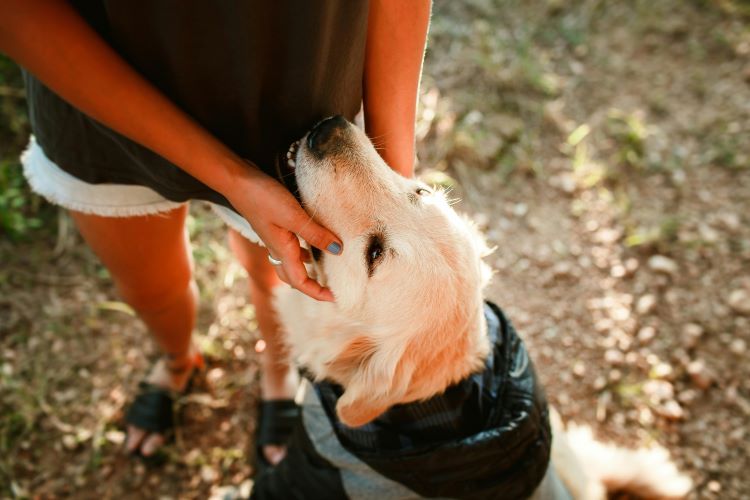
Again, most reverse sneezing episodes are mild and infrequent, creating no health issues in dogs. To try to help shorten an episode, you can softly blow in your dog’s face, gently massage their throat, or hold her nostrils closed for a few seconds, as this will force them to swallow, which can clear the irritant.
If your dog’s reverse-sneezing episodes appear particularly harsh and severe, go ahead and give your veterinarian a call. Capturing the episode on film would be helpful but, of course, can be a challenge. In any case, be sure to give your pet's medical team as much information as possible.
Diagnosis of underlying issues
The key to any successful treatment is determining what's causing such alarming symptoms in the first place. If your pet's reverse sneezing is of any kind of concern to your vet (which is usually the case if it's frequent or seems to be causing your dog pain), they'll look for irritants or an underlying health condition.
During your pet’s visit, your veterinarian will perform a thorough physical exam to search for medical issues that could be causing your dog’s sneezing and will rule out other causes for abnormal breathing, such as an upper respiratory tract infection, collapsing trachea, nasal polyps or masses, or foreign objects stuck in the nasal passages.
Depending on your pet’s medical history and clinical signs, your veterinarian may recommend blood work, X-rays, or allergy tests to rule out possible causes.
Remember: it's always better to be safe than sorry! If your pet is experiencing excessive reverse-sneezing episodes, or if you think their sneezing may be abnormal, schedule an appointment with your veterinarian to discover the underlying issue.
Pet Parenting is the official dog and cat blog of Trupanion, a leader in the world of pet insurance. Here you’ll find useful dog and cat care tips, important veterinary insights, and an abundance of pet lifestyle topics. All of our articles are written by real humans with a love for pets, not AI. However, please note that the views expressed here are those of the individual authors and do not necessarily reflect those of Trupanion. Articles are reviewed by veterinarians for accuracy, but they are not a substitute for professional diagnosis and treatment. Always consult with your own pet’s veterinarian for advice.


