Ready to help treat your pet to a healthy life?
Dog Paw Pad Injuries: Signs, Treatment, and Prevention
By : Kathleen Crampton | Published Sep 3, 2026
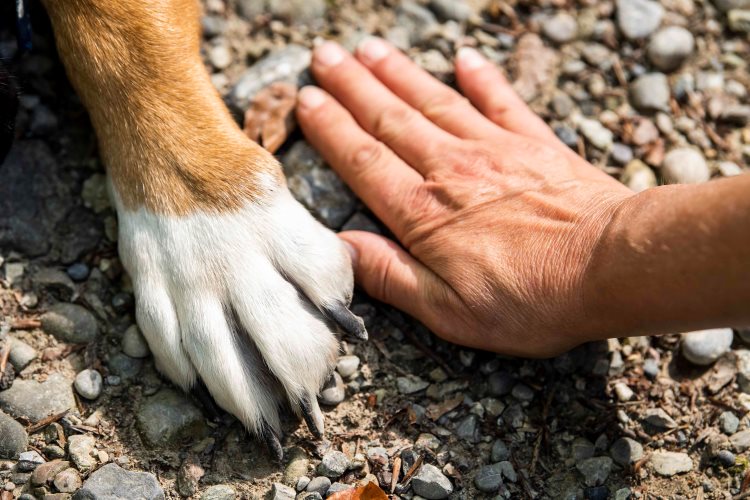
Taking your furry companion on adventures is one of the joys of being a pet parent. But every now and then, they might be exposed to rough surfaces and sharp objects or even develop a skin condition that could lead to a dog paw pad injury. If your pup has a paw pad issue, it's important to understand how to treat it and when to see a vet.
Common types of dog paw pad injuries
There are several types of common dog paw pad injuries:
- Cuts and tears. A torn or cut dog paw pad is one of the most common paw pad injuries because your pup walks, runs, and plays on a variety of surfaces. Cuts and tears could be from rough surfaces or stepping on jagged objects.
- Burns. Dog paw pad burns and blisters can occur from walking on pavement or other surfaces that are too hot or touching chemicals (like sidewalk salt in the winter).
- Punctures. Punctures can occur when your pup steps on a sharp object, like a sharp twig, rock, or thorn; glass, nails, or a shard of metal; or even an insect's stinger. Punctures can be surface level or deep and could involve the object still being in or under the skin.
- Cracks. Cracked dog paws may happen after they walk on surfaces that are very hot or cold or too rough, when their paws touch chemicals, or after excessive licking or exposure to dry air.
Signs your dog may have injured a paw
If you notice your dog exhibiting any of these signs, they may have a dog paw pad injury:
- Licking and chewing their paw
- Limping
- Bleeding, oozing, or swelling at the paw
- Discoloration or redness of the paw
- Reluctance to bear weight on one paw
How to treat a dog paw injury
Move to safety, inspect carefully, control light bleeding, rinse debris, and contact a veterinarian when severity is uncertain.
If your dog is licking an injured paw, they're favoring a specific paw, or you notice other physical signs of injury or infection, it's time to take action. Follow these steps for attending to your pup's injured paw pad:
- Move to safety. Move to a safe area—out of the way of people and other animals and away from any objects or surfaces that could further injure your pup.
- Inspect the paw. Have your dog sit or lie down, then carefully grab their paw so that you can see what's causing the issue. Take caution here, as a dog in pain may be more likely to nip at or bite your hand.
- Remove any debris. If there's an object lodged in their paw, determine if you can carefully remove it. Only surface-level objects should be removed; do not attempt to remove objects that are deep in their paw. It maybe helpful to swish the paw in water—or pour water over it—to remove any debris on the surface.
- Clean and treat the area. If your dog has a cut or torn paw pad, cracked pads, or a puncture, none of which are very deep, clean the area with mild, pet-safe soap and water. Rinse well. If they have a burned paw pad, soak their paw in lukewarm water. For cracked paw pads, apply a dog-safe moisturizing balm.
- Control light bleeding. Some bleeding after a puncture or cut is normal. Using a clean cloth, apply light pressure to the area to control the bleeding. If bleeding resumes, take your pet to the vet for further treatment.
When caring for your dog's paw pad injury at home, never use human medications or treatments, such as hydrogen peroxide, rubbing alcohol, or hydrocortisone creams, unless your veterinarian recommends them. When in doubt, call the vet.
Can you bandage a dog’s paw at home?
Some injuries may necessitate covering the paw pad to prevent further injury. For example, after applying balm to a cracked paw pad, it's helpful to cover your pup's paw with a sock or light bandage.
However, it's important to understand the risks of bandaging your dog's paw yourself. Bandages that are too tight can cut off circulation, but too loose means that it could fall off with any movement. Regardless of whether you or your vet bandages your dog's paw, you'll need to monitor your dog closely because if the bandage gets wet, it should be changed immediately to prevent maceration of tissue. Additionally, you'll want to make sure that your pup doesn't start chewing the bandage, which could cause digestive upset or intestinal blockage if ingested and further injury to the paw if the area is disrupted.
If you do bandage at home, only use vet-approved materials, like nonstick gauze pads and self-adhesive pet-safe bandages.
When a paw injury needs veterinary care
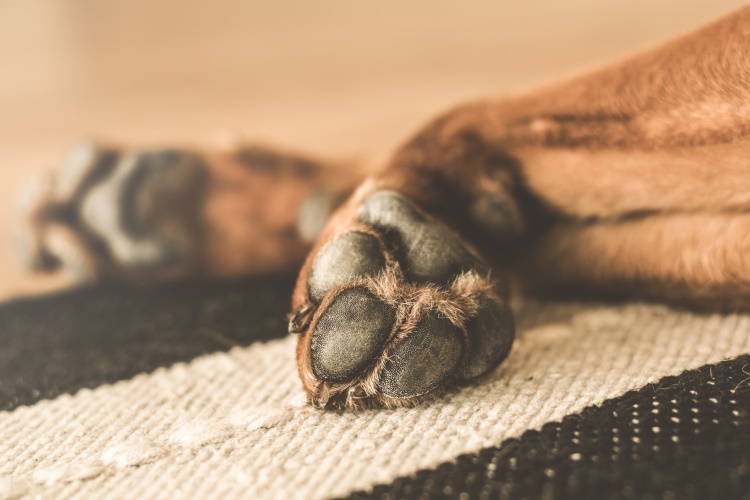
How do you know when it's time to head to the vet? Use this list as your guide:
- Bleeding is heavy or doesn't stop after 5-10 minutes
- Objects are embedded too deep to remove yourself
- Deep or gaping wounds
- Severe burns
- Signs of infection (pus, swelling, redness)
- Inability to bear weight on that paw
If you're ever in doubt, call the vet or visit an emergency pet care clinic. It's better to see a professional than wait and potentially have your dog's paw pad injury become worse.
How veterinarians treat paw pad injuries
Your vet will assess your pup's paw to determine how best to treat it. Your vet may request x-rays to better evaluate the extent of damage before any treatment. They will likely clean the affected area, carefully remove any foreign object (sometimes with sedation if the object is deep and your dog could be in severe pain with removal), close an open wound (or in some cases leave open), and treat a burn with antibiotics or other type of healing medication and prescribe pain relief medication for severe issues.
If your dog's paw pad is peeling or cracked, and the issue doesn't get better with at-home treatment, the vet may look for nutritional deficiencies or run blood tests for underlying diseases or canine autoimmune conditions, many of which can affect the skin and paw pads.
How long paw pads take to heal
When you see your furry pal in pain, you want to see quick healing—but as with any type of injury, healing time depends on several factors, such as the severity of the wound, burn, or peeling as well as how well you monitor your pet at home.
For example, if your dog is licking an injured paw continuously, that could introduce bacteria, which could then create an infection. To keep everything clean, it's important to prevent your pup from excessively licking the area. Additionally, it may be necessary to limit exercise as the paw heals, as repeated weight-bearing can slow healing. As always, follow your vet's recommendations.
How to prevent paw pad injuries
With rambunctious pets, it's not easy to prevent a dog paw pad injury (after all, things happen!), but there are some simple things you can do to to minimize risk:
- Don't take your dog on a walk if it's too hot, as surface temperatures can be hotter than the air temperature.
- Train your pup to wear booties for adventurous outings. These can also be a temporary solution if you're out and about and a surface temperature is too hot.
- Trim your pup's nails routinely.
- Check surfaces before walking on them (hiking trails, sand, pavement, etc.).
- Inspect your dog's paws during and after walks to catch issues before they become larger, more painful problems.
Remember that Trupanion dog insurance can help pay for covered treatments for issues such as paw pad injuries, illness, and other accidents. Keep your dog in good health—and your budget protected—with pet insurance.
Pet Parenting is the official dog and cat blog of Trupanion, a leader in the world of pet insurance. Here you’ll find useful dog and cat care tips, important veterinary insights, and an abundance of pet lifestyle topics. All of our articles are written by real humans with a love for pets, not AI. However, please note that the views expressed here are those of the individual authors and do not necessarily reflect those of Trupanion. Articles are reviewed by veterinarians for accuracy, but they are not a substitute for professional diagnosis and treatment. Always consult with your own pet’s veterinarian for advice.


